Choosing the right Rolling Camera Luggage starts with the gear you actually carry, not the number of compartments on a product page. A compact mirrorless kit needs different protection from a full-frame body, several lenses, and a laptop. Picture a crowded station: the case must roll steadily, fit beside your legs, and let you reach a spare battery without unpacking everything. Small details matter.
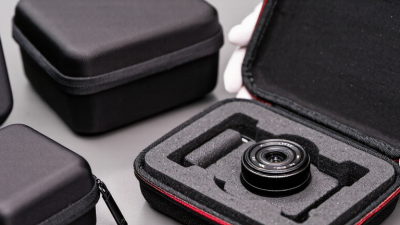
Compare the empty case weight with its usable capacity. Check wheel size, handle wobble, zipper quality, divider adjustment, and padding around corners. A thick outer shell can look reassuring, but it does not prove that fragile equipment is protected. Test whether dividers hold lenses firmly when the case tilts, and whether the interior fits your longest lens with its hood attached. If possible, inspect the seams and wheel mounts in person. Online photos can hide awkward access.
Travel plans also shape the choice. Measure the packed case and verify current size and weight limits with your carrier; policies can differ and may change. Water-resistant fabric can help with light rain, but it is not the same as a waterproof case. There is no perfect design. A roomy bag may feel bulky on stairs, while a slim one can leave little space for accessories. The best choice balances protection, mobility, access, and your budget. Use this guide to compare those trade-offs carefully, then choose a case that suits your real kit—not an idealized packing list.
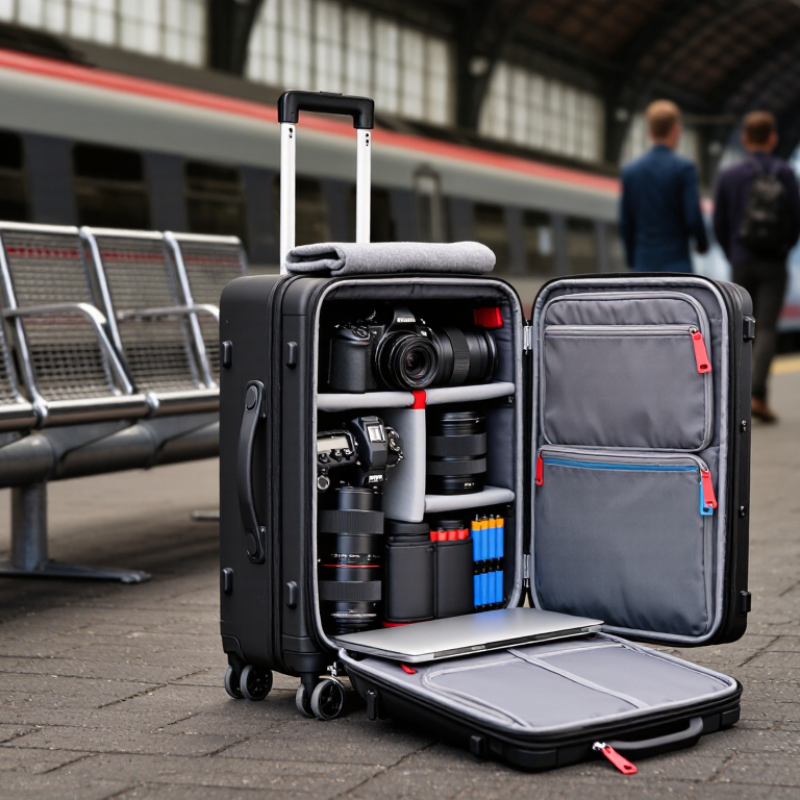
Rolling camera luggage is a wheeled, padded case with adjustable compartments for camera bodies, lenses, cables, and smaller accessories. Its handle and wheels reduce the strain of moving a heavy kit through stations, venues, or long airport corridors. It suits working photographers, videographers, and serious enthusiasts who regularly carry several pieces of equipment. A single-camera traveler may find it bulky. That matters.
The need is growing alongside travel and camera use. IATA reported that global passenger traffic rose 10.4% in 2024 compared with 2023, based on its annual traffic data. More travel can mean more equipment in transit, where bumps and rushed transfers are real concerns. CIPA’s 2024 shipment statistics recorded about 8.5 million digital cameras shipped worldwide. These figures do not prove every traveler needs a rolling case, but they show the scale of travel and imaging activity.
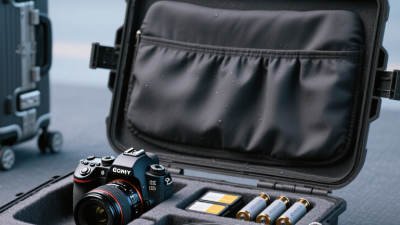
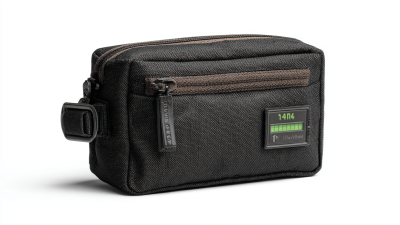
For event crews, the benefit is practical: padded dividers keep lenses from knocking together, while exterior pockets hold memory cards and cleaning cloths within reach. Still, wheels do not solve every problem. Uneven pavement, stairs, and crowded aisles can make a case awkward to maneuver. Check the case’s dimensions against current carrier limits, and consider whether its weight is manageable when fully packed. A small detail, easily missed.
| Topic | What It Means | Who Benefits Most | What to Check | Important Trade-Off |
|---|---|---|---|---|
| Rolling camera luggage | A wheeled case designed to carry and organize cameras, lenses, and related equipment, usually with padded dividers. | Photographers and video creators carrying equipment between locations. | Interior layout, padding, closures, handle construction, and wheel attachment. | Wheels make heavier loads easier to move on smooth surfaces, but add weight and parts that can wear or break. |
| Small kit | Room for a camera body, a few lenses, batteries, memory cards, and small accessories. | Travel photographers, event photographers, and hobbyists with a compact kit. | Whether the dividers fit the actual camera and lens sizes, including any attached lens hood. | A compact case is easier to maneuver but may leave little room to expand the kit. |
| Large kit | More space for multiple camera bodies, longer lenses, lighting accessories, or video equipment. | Studio crews, production teams, and photographers transporting substantial equipment. | Loaded weight, divider support, wheel stability, and whether the case can be lifted safely. | Greater capacity can make a fully packed case heavy and harder to lift into vehicles or storage. |
| Interior protection | Padded, adjustable compartments help separate gear and limit movement inside the case. | Anyone carrying delicate equipment or a mix of differently sized items. | Divider thickness, attachment strength, fit around each item, and protection at the base and lid. | More padding and dividers can reduce the usable interior space. |
| Access and organization | Compartments or opening panels provide access to equipment and small accessories. | Event and field photographers who need to locate items quickly. | Whether the case opens in a practical position and has secure pockets for batteries, cables, and cards. | Extra pockets improve organization but can add bulk; loose accessories should still be secured. |
| Wheels and handle | Wheels and a pull handle support transport across floors, sidewalks, and other surfaces. | People moving equipment through airports, venues, or large work sites. | Wheel type, smoothness, noise, handle wobble, and stability when the case is loaded. | Small wheels may be less comfortable on rough ground; larger wheels can increase case size. |
| Materials and weather resistance | Exterior fabrics or shells help shield equipment from everyday handling and exposure. | Photographers working outdoors or moving gear in changeable weather. | Fabric or shell construction, seam and zipper coverage, and whether a rain cover is included. | Water-resistant construction is not necessarily waterproof; protect gear separately in heavy rain. |
| Air travel | Some rolling cases may fit cabin baggage limits, while others must be checked. | Travelers who want to keep valuable equipment with them when permitted. | Current airline size and weight limits, including wheels and handles, plus the packed case’s actual weight. | Cabin limits vary by airline, route, and fare; a case that fits one flight may not fit another. |
| Weight and lifting | The case’s empty weight affects the total weight of the packed kit. | Travelers who carry cases up stairs, lift them into vehicles, or have baggage weight limits. | Empty-case weight and the expected loaded weight; test lifting access points if possible. | A protective, feature-rich case may be heavier before any equipment is added. |
| Best selection approach | Choose a case around the equipment, travel method, and surfaces where it will be used. | Anyone comparing rolling camera cases for regular or occasional transport. | Measure the gear, compare it with usable interior dimensions, pack a realistic load, and check the relevant airline rules. | Prioritize a secure fit and manageable loaded weight over unused capacity. |