Why Choose a Shockproof Camera Case for Travel?
Travel can turn a reliable camera into fragile luggage. A sudden drop at an airport, a crowded train, or a dusty trail may damage more than the outer shell. Moisture, pressure, loose accessories, and repeated movement can also affect lenses and controls. That is why many photographers choose a Shockproof Camera Case before leaving home.
Professional photographer and gear educator David Hobby has often emphasized practical protection over appearance. His advice is simple: “A case should protect the camera before it tries to look attractive.” This principle matters during real travel. A strong case should absorb impact, limit internal movement, and keep the camera separated from batteries, cables, and metal accessories. Foam padding helps, but correct fitting matters more than thick padding alone.
I have seen small packing mistakes cause expensive problems. A lens left attached can increase strain on the mount. An empty space can let the camera slide during a hard landing. Even a waterproof case may fail when its seal is dirty or poorly closed. Not perfect.
A useful Shockproof Camera Case should match the equipment, destination, and transport method. Look for reinforced corners, dependable latches, cushioned interiors, and a handle that feels secure. For hiking, weight and comfort deserve equal attention. For checked baggage, stronger impact resistance becomes more important.
Protection cannot remove every travel risk. It can reduce avoidable damage. The better question is not whether a case looks rugged, but whether it performs when the journey becomes rough.
What a Shockproof Camera Case Is and How It Protects Equipment
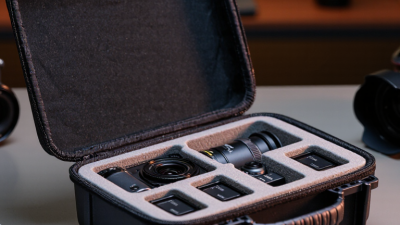
A shockproof camera case is a protective enclosure designed to reduce impact, vibration, dust, and moisture exposure. Its rigid outer shell spreads force away from the camera body. Interior foam then holds the camera, lenses, and batteries in fixed positions. That separation matters when a suitcase lands hard on a conveyor belt.
“Shockproof” is not a universal certification. A reliable case should show tested drop performance, material details, and a clear protection rating. IEC 60529 defines IP ratings; for example, IP67 indicates dust protection and temporary water immersion resistance. It does not prove impact resistance. SITA’s 2024 Baggage IT Insights report recorded 6.9 mishandled bags per 1,000 passengers in 2023. That figure covers all baggage, not cameras, but it shows why soft wrapping alone can be a weak plan. CIPA’s 2024 industry statistics reported 8.49 million digital cameras shipped worldwide, reflecting the continued movement of delicate imaging equipment.
In practical use, I check whether foam reaches the lid without pressing controls. I also leave space around a lens hood and memory cards. A tight fit can become harmful. It may transfer force directly to the camera during a drop. Waterproof seals need regular inspection, especially after dust collects around the latch. I once trusted a padded backpack too much; a loose lens cap caused a small but avoidable scratch. Protection is never perfect. A case reduces risk, but careful packing still matters.
Key Travel Risks That Can Damage Cameras and Lenses
Why Choose a Shockproof Camera Case for Travel?
Key Travel Risks That Can Damage Cameras and Lenses
Travel exposes cameras to more than accidental drops. A case protects equipment from sudden impacts, crushing pressure, and rough handling. A camera may survive one short fall, but repeated jolts can loosen internal parts. Lenses are especially vulnerable around their mounts, rings, and glass edges.
Consider a crowded train, a packed overhead compartment, or a wet hotel floor. These ordinary situations create real risks. Sand can enter focusing controls. Loose chargers can scratch a lens. Cold weather may cause condensation when equipment returns indoors. I once rushed a camera from a cold street into a warm room. The fogged lens looked harmless, but I should have waited before using it. Small mistakes can become expensive repairs.
Tips: Choose a case with firm padding and a secure closure. Leave enough space for the camera, lens, and protective caps. Do not force extra accessories inside. Store delicate equipment away from heavy shoes or metal bottles. Before each trip, inspect seams, hinges, and padding for wear. A waterproof exterior helps during light rain, but it is not a substitute for careful packing. Even a strong case cannot prevent damage when equipment moves freely inside.
Essential Features of a Reliable Shockproof Camera Case
Why Choose a Shockproof Camera Case for Travel?
Essential Features of a Reliable Shockproof Camera Case
Travel exposes camera equipment to sudden drops, crowded luggage areas, and rough ground. A dependable shockproof case should use a rigid outer shell with impact-absorbing padding inside. This combination reduces force before it reaches the camera body or lens. The interior should fit your equipment closely. Loose gear can collide during movement.
Look for adjustable dividers, thick foam, and a soft lining that will not scratch delicate surfaces. A strong zipper or secure latch also matters. Water resistance helps during light rain and unexpected spills, while a pressure-release valve can support air travel. The case should have a balanced handle and manageable weight. Heavy protection becomes tiring after several hours of walking.
I once used a case with excellent padding but poor divider placement. My lens shifted during a train journey. Nothing broke, but the noise was unsettling. That experience changed how I check case design. I now test the fit with the camera, spare battery, memory cards, and charger inside. The case should close without pressure. It should also stay compact under a seat.
Small details matter. A bright interior makes equipment easier to find in low light. A removable shoulder strap can reduce hand fatigue. No case is completely accident-proof. Still, thoughtful construction can turn a stressful journey into a manageable one.
How to Choose the Right Case for Your Camera Setup
Why Choose a Shockproof Camera Case for Travel?
Travel exposes cameras to more than accidental drops. Bags are stacked, squeezed, and sometimes handled roughly. SITA’s 2024 Baggage IT Insights report recorded 6.9 mishandled bags per 1,000 passengers in 2023. A shockproof case adds valuable protection during these unpredictable moments.
How to Choose the Right Case for Your Camera Setup
Start with your complete setup, not only the camera body. Measure the body, lenses, battery grip, charger, and spare batteries. Leave enough room for padded dividers, but avoid excessive space. Loose equipment can move inside the case and absorb impact poorly. A compact mirrorless kit needs different protection from a large camera with a telephoto lens.
Look for dense foam, reinforced corners, and a secure closure. Water resistance helps, but it does not replace proper padding. IP ratings describe protection from dust and water, not impact strength. For stronger evidence, check whether the case follows transport-testing methods such as ASTM D4169. These tests can indicate durability, although real travel remains less predictable.
Tips: Place the heaviest lens near the base. Separate glass surfaces from metal accessories. Test the packed case before departure. I once chose maximum padding and regretted the extra weight. A case that protects everything but strains your shoulder is not the right case. Keep essential gear accessible, and inspect dividers after every trip.
Why Choose a Shockproof Camera Case for Travel?
How to Choose the Right Case for Your Camera Setup
How to read this chart: The water-resistance levels shown are based on the IEC 60529 IP Code. IPX4 protects against splashing water, IPX6 against powerful water jets, IPX7 against temporary immersion up to 1 metre for 30 minutes, and IPX8 against continuous immersion under conditions specified by the manufacturer. IP ratings do not measure impact protection, so travelers should also look for shock-absorbing padding, a rigid shell, and a secure fit for the camera body and lenses.
Best Practices for Packing and Using a Camera Case While Traveling
Why Choose a Shockproof Camera Case for Travel?
Travel exposes cameras to sudden drops, crowded terminals, vibration, and changing weather. A shockproof case adds structured protection around the body, lens, and memory cards. IATA’s 2024 Baggage IT Insights report recorded 6.9 mishandled bags per 1,000 passengers in 2023. That figure includes delayed, damaged, lost, or stolen luggage. It is a useful reminder: checked baggage faces real handling risks.
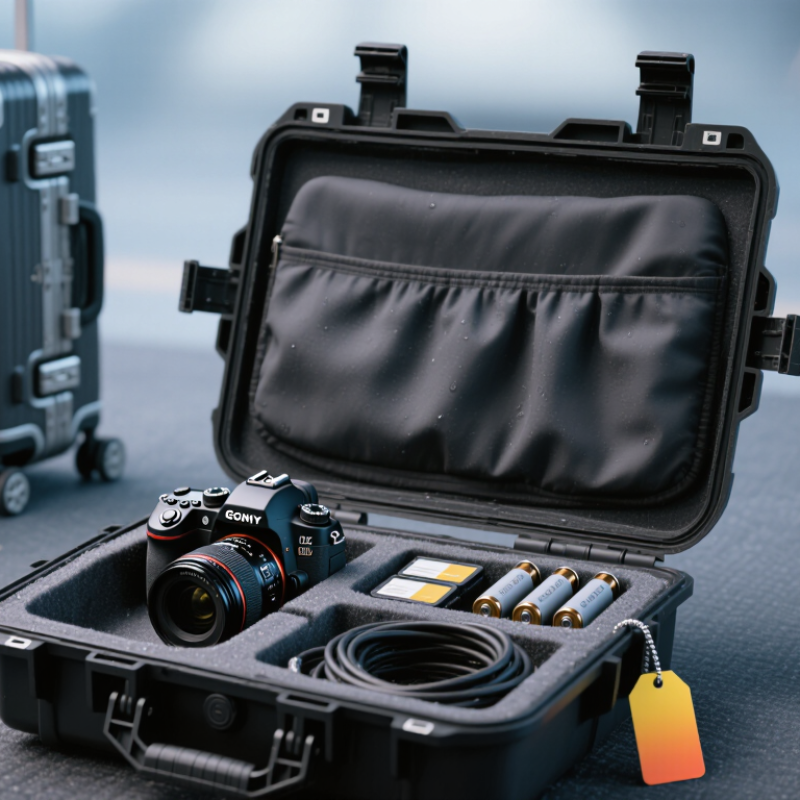
Pack the camera with the lens detached when practical. Place the body in the center of the case, surrounded by firm padding. Keep batteries, cards, and cables in separate compartments. Leave no empty space. Movement inside a case can create impact damage, even when the outer shell looks perfect. I once packed too tightly and pressed a control dial against the padding. Nothing broke, but the pressure was avoidable. Protection needs judgment, not just thickness.
Tips: Carry the case in your cabin bag when airline size rules allow it. Check those rules before departure. Add a small silica-gel packet for humid destinations, but keep it away from exposed sensors. Before leaving the hotel, inspect the zipper, padding, and lens mount. Photograph the packed layout for faster checks later. Avoid placing heavy items on top. A case can protect delicate equipment, but careless packing still defeats its purpose.