China Best Shockproof Camera Case Supplier?
Choosing China’s best Shockproof Camera Case supplier takes more than comparing prices and product photos. Buyers need evidence of protection, consistent manufacturing, and clear quality checks. A neat sample is encouraging. It is not proof of reliable production.
CIPA’s 2024 camera shipment statistics recorded about 8.5 million digital cameras shipped worldwide. This figure describes camera shipments, not case sales. Still, it points to a large base of equipment that owners may want to protect during travel, outdoor work, or daily transport. Photographer and educator Chase Jarvis’s familiar advice, “The best camera is the one that’s with you,” highlights portability. Protection matters when a camera is carried often. But a case that feels sturdy can still fail at its seams, zipper, or foam inserts.
When assessing a Chinese supplier, ask for documented drop-test methods, material specifications, inspection records, and samples tested with your actual camera model. Check whether the case prevents movement, absorbs impact, and keeps out dust or moisture where claimed. Ask how the supplier handles defects across repeat orders. A single sample tells only part of the story. No case is indestructible, and “shockproof” alone does not define a universal test standard. The strongest sourcing decision rests on verifiable testing, transparent limits, and repeatable quality—not the boldest label.
What Defines a Shockproof Camera Case?
What Defines a Shockproof Camera Case?
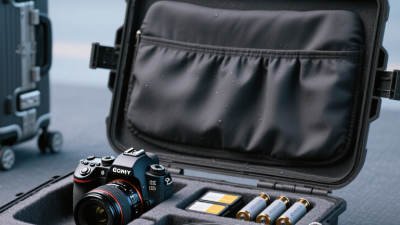
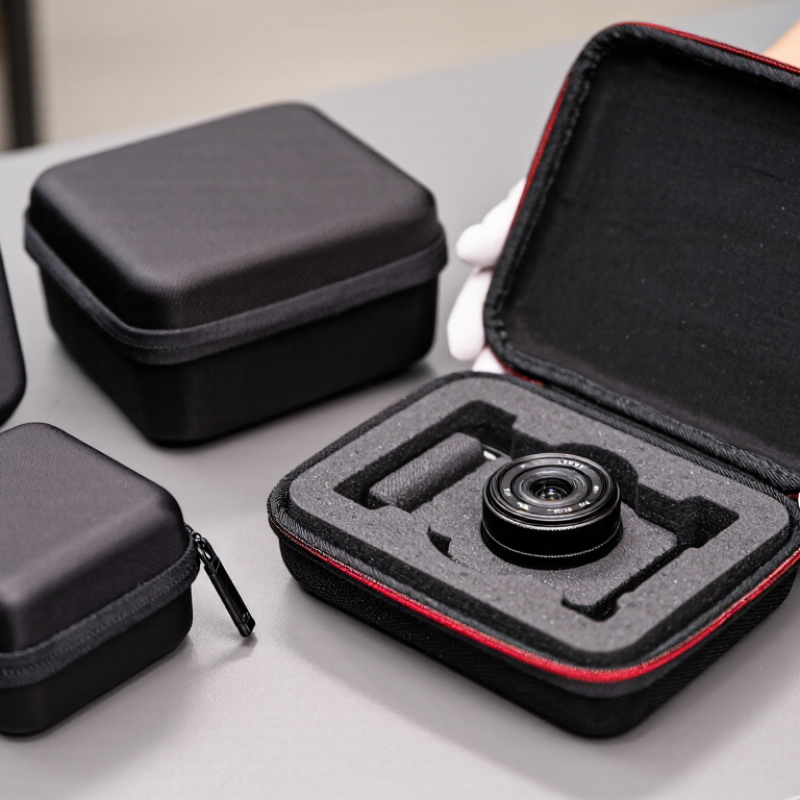
A shockproof camera case is not simply a thick shell. It must manage impact energy before that force reaches the camera body, lens mount, or screen. Look for raised edges around glass, reinforced corners, and internal padding that holds equipment snugly without pressing on controls. A case that rattles during a gentle shake may allow the camera to strike its interior during a fall. Small detail. Fit matters.
Testing claims need context. ASTM International’s D5276 standard describes free-fall drop testing for loaded containers; it offers a useful reference for test design, but does not certify every camera case. A supplier should specify the tested case configuration, drop surface, orientation, height, and whether the camera was functional afterward. These details make test results more meaningful than a vague “military-grade” label. In practice, repeated corner impacts can expose weak seams that a single flat drop misses.
Ask for test records from an independent laboratory, and check whether the tested sample matches the product you will buy. Also consider the balance between protection and access: a tightly padded case may slow lens changes, while an overly roomy one can let equipment shift. There is no perfect design for every camera. Even good test data cannot fully reproduce a real fall onto a sharp stone or wet pavement.
What Defines a Shockproof Camera Case?
Typical material densities used in case shells and cushioning, shown for comparison. Values are approximate; density alone does not determine impact protection.
How Shockproof Camera Cases Protect Cameras
A shockproof camera case helps limit the force transferred to a camera during bumps, drops, and travel. Its rigid outer shell spreads impact across a wider area, while foam or molded padding cushions the body and lens. The protection depends on a snug fit. If the camera shifts inside, it can still strike the case wall.
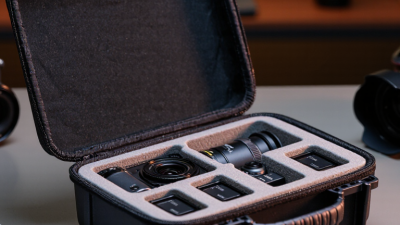
Look for padded dividers that separate the camera from spare lenses, batteries, and cables. A lens hood or filter can prevent small accessories from pressing against the front element. Check that zippers, seams, and closures stay secure when the case is fully packed. Small details matter. Shock resistance does not automatically mean waterproofing, and no case can prevent every kind of damage. After a hard drop, inspect the camera and case, even if the exterior looks fine. I have found that extra padding can also make a case bulky, so protection and portability require a practical compromise.
China Best Shockproof Camera Case Supplier? - How Shockproof Camera Cases Protect Cameras
| Protection Dimension |
How the Case Helps |
Common Design Features |
What to Check |
| Impact and drops |
Cushioning can absorb and spread some impact energy, reducing direct force on the camera body. |
Shock-absorbing foam, padded dividers, and reinforced corners. |
Look for documented drop-test conditions and confirm the case fits the camera securely. Protection varies by design and impact. |
| Movement inside the case |
A close fit helps limit shifting that could cause knocks or allow accessories to strike the camera. |
Adjustable dividers, shaped inserts, and separate accessory compartments. |
Check interior dimensions with the camera, lens, and any attached accessories in place. |
| Pressure and crushing |
A rigid outer shell can help resist compression and protect against objects pressing on the camera. |
Molded hard shell, reinforced panels, and a supportive internal cradle. |
A rigid case is not automatically crush-proof; check load limits or test details where available. |
| Dust and grit |
A well-closed case helps reduce exposure to dust and particles during storage or transport. |
Close-fitting lid, covered seams, and a secure zipper or latch. |
Dust resistance depends on the closure and construction; it does not guarantee a dustproof seal. |
| Rain and splashes |
Water-resistant materials and closures can help shield equipment from light rain and splashes. |
Water-resistant fabric, coated surfaces, and storm flaps over zippers. |
Check the stated water-resistance or IP rating and its test conditions. Water resistance is not the same as waterproofing. |
| Scratches and abrasion |
A soft lining and covered storage areas help keep the camera from rubbing against hard or rough surfaces. |
Non-abrasive lining, smooth dividers, and a dedicated lens compartment. |
Keep loose items such as keys and uncapped accessories in separate pockets. |
| Lens and screen protection |
Dedicated space and padding reduce the chance of direct contact with other equipment. |
Lens-cap clearance, padded screen area, and dividers between camera components. |
Use the camera’s lens cap and avoid placing pressure on the lens barrel or screen. |
Note: Shockproof performance is product-specific. Review fit, materials, test results, and any stated protection rating before selecting a case.
Key Criteria for Evaluating Chinese Suppliers
China Best Shockproof Camera Case Supplier?
Key Criteria for Evaluating Chinese Suppliers
Choosing a Chinese supplier takes more than comparing prices and product photos. Ask for the case’s material details, wall thickness, and test conditions. A useful sample should fit your camera snugly, without pressure on buttons or the lens. Inspect the corners, hinge, and latch after opening and closing it repeatedly. Small details matter. For shock protection, request the drop height, impact surface, and whether the case was tested with a camera or an equivalent load. A claim without clear test conditions is difficult to evaluate.
Check whether the supplier can show inspection records for incoming materials and finished cases. Ask how defects are recorded and handled, and whether production samples can be compared with your approved sample. A single good sample does not prove every batch will match. Communication is evidence, too. Clear answers about lead times, packaging, and replacement parts make planning easier. If answers remain vague, pause before placing a large order. I would also verify details independently where possible; supplier documents can be useful, but they are not a substitute for hands-on testing. No case is invulnerable, and real-world impacts vary.
How Suppliers Manage Design and Quality Control
China Best Shockproof Camera Case Supplier?
How Suppliers Manage Design and Quality Control
A shockproof camera case starts with the camera’s exact dimensions, not a generic shell. Suppliers measure the body, lens extension, buttons, ports, and battery-door clearance. Designers then choose impact-absorbing materials and set wall thickness around vulnerable corners. Small details matter. A raised edge can protect a screen, but too much height may block controls. Prototypes help reveal these trade-offs before production. Teams should test real camera samples, since drawings alone may miss a tight latch or awkward grip.
Quality control should cover materials, assembly, and finished-case performance. Incoming checks can compare material thickness and flexibility against agreed specifications. During production, inspectors can check seams, closures, and openings with simple gauges. Drop tests should use a documented height, surface, and orientation, then inspect both case and camera fit. Repeat the test across multiple samples; one successful drop proves little. Records also help teams trace defects to a batch or process change. No test catches every situation. A test setup may not match how a person carries or drops a camera, so supplier feedback and field observations should guide later revisions. That process is not always tidy, but it makes design decisions easier to review.
How to Choose the Right Supplier for Your Needs
Choosing a shockproof camera case supplier starts with the conditions your case must handle.
Will it face dusty trails, sudden rain, or repeated drops from a workbench? Share the camera’s exact dimensions, lens setup, and accessories, then ask how the supplier checks fit and protection. Details matter. Request test methods, sample results, and clear definitions of drop height and surface. A vague claim of “rugged” protection is not enough. Ask for proof.
Inspect a production sample, not just a polished catalog image. Check the zipper or latch, corner padding, stitching, and whether the camera shifts when you gently shake the case. Ask about material consistency, inspection records, defect handling, and lead times. A reliable supplier should explain what it can verify and what it cannot. That honesty is useful. It is easy to focus on the lowest quote, then discover that sample quality varies between batches. Compare written specifications and communication quality alongside price. If a detail remains unclear, pause and ask again; choosing quickly is not always choosing well.