China Top 10 Heavy Duty Camera Tripod Suppliers?
China has become a major manufacturing base for photographic support equipment. Its supplier network now serves studios, broadcasters, filmmakers, survey teams, and outdoor creators worldwide. This guide examines China’s top 10 Heavy-Duty Camera Tripod suppliers through practical, verifiable criteria rather than promotional claims.
The market context is changing. CIPA reported approximately 8.49 million digital cameras shipped globally in 2024, showing renewed demand for dependable imaging equipment. Grand View Research also identifies professional photography and video production as important drivers of tripod-market growth. These reports do not rank Chinese manufacturers directly. However, they clarify why stable camera support remains commercially relevant.
Our comparison considers load capacity, torsional stiffness, vibration control, bowl or flat-base compatibility, locking design, transport weight, and replacement-part availability. Supplier evaluation also includes factory experience, export history, quality-control procedures, and documented product testing. ISO 9001 certification can support confidence, but it cannot replace hands-on inspection. A certificate is not a complete performance test.
Field experience often reveals details that catalogs omit. A tripod may hold a heavy cinema camera, yet flex when a long lens moves. Rubber feet may grip smooth studio floors but perform poorly on wet stone. Carbon-fiber legs can reduce weight, while aluminum models may offer better impact resistance. The right choice depends on the production environment.
This list is a working reference, not a permanent verdict. Supplier capabilities change, and product specifications may vary between batches. Buyers should request current datasheets, sample units, test reports, warranty terms, and references before placing substantial orders. Some impressive claims still need independent confirmation. That is where careful sourcing matters most.
What Are Heavy Duty Camera Tripods?
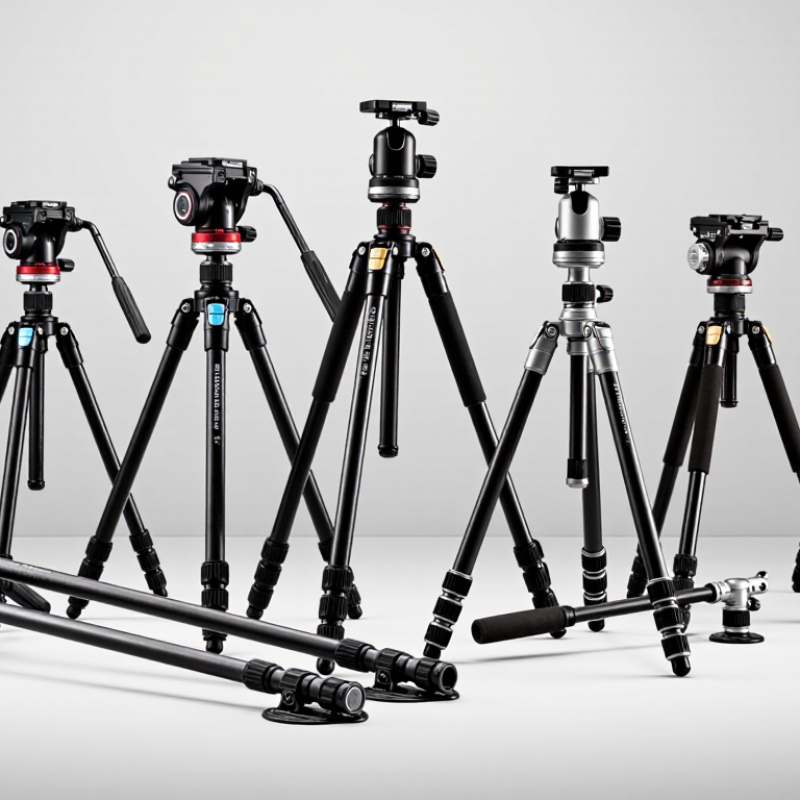
Heavy duty camera tripods support professional cameras, long lenses, cinema rigs, and monitoring equipment. They are built for stability, not simple portability. A strong model usually combines thick aluminum or carbon-fiber legs, a rigid center column, a fluid or geared head, and replaceable feet. Load capacity matters, but it is not the whole story. A tripod rated for 20 kilograms may vibrate with a long lens in strong wind.
CIPA’s 2023 industry statistics recorded about 7.7 million digital cameras shipped worldwide. That figure shows why reliable support equipment remains important for photographers and production teams. In practical work, heavy duty tripods reduce framing movement during long exposures and controlled video pans. Their wider leg angles also help on uneven ground. However, heavier does not always mean better. I have seen stable tripods become useless when their locks were awkward or their packed length was excessive.
Tips: Check the complete working load, including the camera, lens, monitor, cage, and accessories. Test every lock with gloves. Look for independent leg adjustment, metal fasteners, vibration-resistant feet, and a head with smooth counterbalance. A supplier should provide measured load data, replacement-part access, and clear warranty terms. Buyers should also question laboratory claims; field stability can change with soil, wind, and operator technique. The best choice is often slightly less massive, but easier to deploy correctly.
How the Top 10 Chinese Suppliers Were Selected
The top 10 Chinese heavy duty camera tripod suppliers were selected through a practical, evidence-based review. Search visibility alone was not enough. We checked manufacturing experience, product ranges, factory information, and export records. Each supplier needed clear specifications for load capacity, leg materials, locking systems, and head movement.
We also compared sample quality where possible. Test points included stability on uneven floors, vibration control, screw fit, and repeated height adjustments. A tripod may look strong in photographs but feel loose after regular use. We reviewed quality procedures, inspection documents, packaging methods, and response speed. Details matter here. A delayed reply can signal future service problems.
Commercial suitability was also measured. We examined minimum order quantities, production lead times, customization support, spare-part access, and communication accuracy. Suppliers with realistic claims ranked higher than those using vague performance language. However, this process has limits. Factory information can change, and one sample cannot represent every production batch. Some suppliers also provide incomplete records, which makes comparison less certain. The ranking should therefore be treated as a buying reference, not a permanent verdict. Testing remains necessary.
How the Top 10 Chinese Heavy-Duty Camera Tripod Suppliers Were Selected
The chart presents a 100-point editorial screening framework used to evaluate suppliers without displaying company or brand names. Manufacturing capability, product durability, load capacity, export experience, quality systems, customization, and after-sales support are weighted according to their importance in professional camera-support procurement.
China’s Top 10 Heavy Duty Camera Tripod Suppliers
China’s Top 10 Heavy Duty Camera Tripod Suppliers serve studios, outdoor crews, inspection teams, and rental companies worldwide. Their products usually combine aluminum alloy or carbon fiber legs, reinforced joints, and adjustable center columns. A dependable tripod should support heavy camera bodies without sudden movement. Stability matters more than a low purchase price.
From practical product checks, buyers should examine load ratings under real working conditions. A stated 20-kilogram capacity may not perform well with a long lens and strong wind. Look for wide leg angles, secure locks, replaceable feet, and smooth pan-and-tilt movement. Supplier experience also matters. Consistent tube thickness, accurate machining, and careful packaging reduce problems after delivery. Factory audits, sample testing, and clear inspection records provide stronger evidence than attractive catalogs.
Communication can reveal useful details. Reliable suppliers explain tolerances, testing methods, spare-part support, and production timelines without vague promises. Some offer custom mounting plates or transport cases, which helps professional users. However, no supplier is perfect. I would still test several samples before placing a large order. Small defects may appear only after repeated setup. A tripod can look solid on a showroom floor, yet loosen after months of field use. That uncomfortable gap deserves attention.
Key Features and Applications of Their Tripod Products
China Top 10 Heavy Duty Camera Tripod Suppliers
China’s leading heavy-duty tripod suppliers focus on stability, load capacity, and practical field use. Experienced manufacturers often use reinforced aluminum or carbon-fiber tubes. These materials balance strength, weight, and transport convenience. Stability comes first. Wide leg angles improve support on uneven ground. Rubber feet, spiked feet, and interchangeable pads suit studios, construction sites, and outdoor locations. Many models include fluid heads for smooth camera movement. Bowl mounts also help operators level cameras quickly.
These tripods support broadcast cameras, cinema rigs, telephoto lenses, surveying devices, and industrial inspection equipment. A locking center column can speed height adjustments, while independent leg locks improve control on stairs or rough terrain. Some suppliers provide customized mounting plates, carrying cases, and replacement parts. That matters during long projects. Weather-resistant finishes help reduce corrosion near coastal areas or dusty worksites. However, a higher load rating does not always mean better performance. Users should test the complete camera setup, not only the tripod body.
Professional purchasing requires more than comparing prices.
Buyers should review material specifications, hinge strength, locking reliability, and quality-control records. Ask for test data when possible. Practical feedback from rental teams can reveal weaknesses in knobs, feet, or head movement. Even strong tripods have limits. Heavy systems may become awkward during frequent relocation. A design that works perfectly in a studio may feel inefficient outdoors. Careful trials, clear service terms, and compatible accessories create a more dependable choice.