Best Heavy-Duty Camera Tripods for Professional Photography?
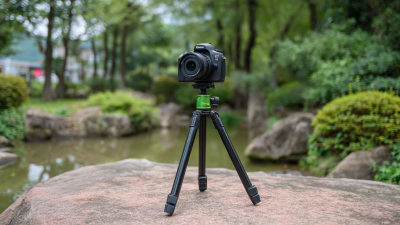
When it comes to professional photography, a heavy-duty camera tripod is essential. These sturdy accessories provide stability and support for capturing sharp images, even in challenging conditions. They are built for durability, ensuring your camera remains secure during long shoots. A quality tripod helps eliminate camera shake, enhancing image clarity.
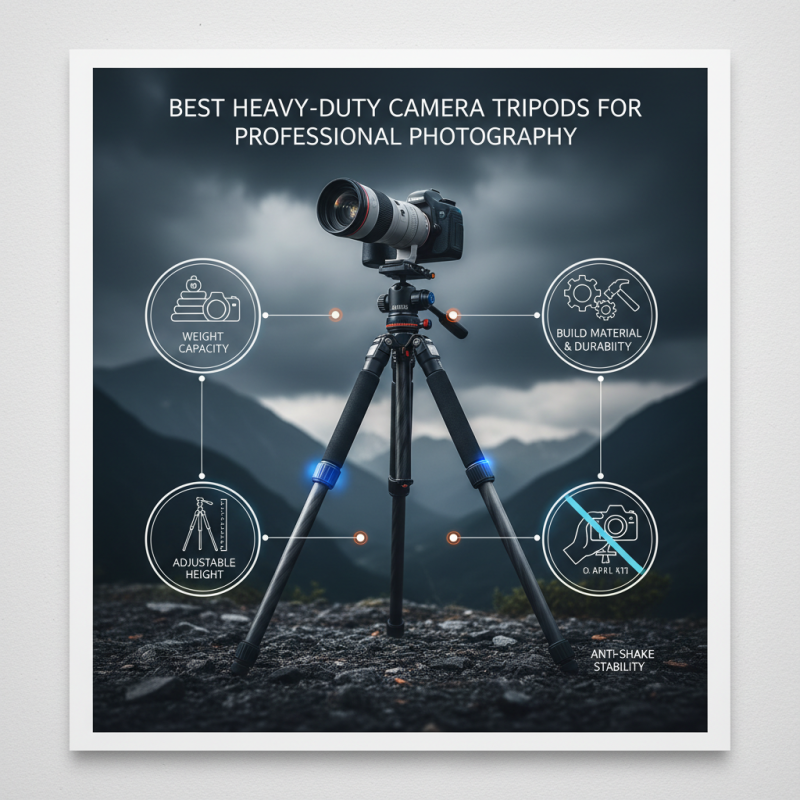
Choosing the right heavy-duty camera tripod requires careful consideration. Factors like weight capacity, build material, and height are crucial. Photographers often find themselves overwhelmed by the options available. While some tripods offer excellent stability, they may be heavy and cumbersome to carry. Others are portable but might not support heavier setups effectively.
In an ever-evolving industry, making the right choice can be difficult. Professionals need to weigh their options carefully. A reliable tripod can greatly influence your work, but the perfect one may not exist. Understanding your needs and the tripod’s capabilities is vital. Investing time in finding the right heavy-duty camera tripod ensures your equipment performs at its best.
Key Features to Consider in Heavy-Duty Camera Tripods for Professionals
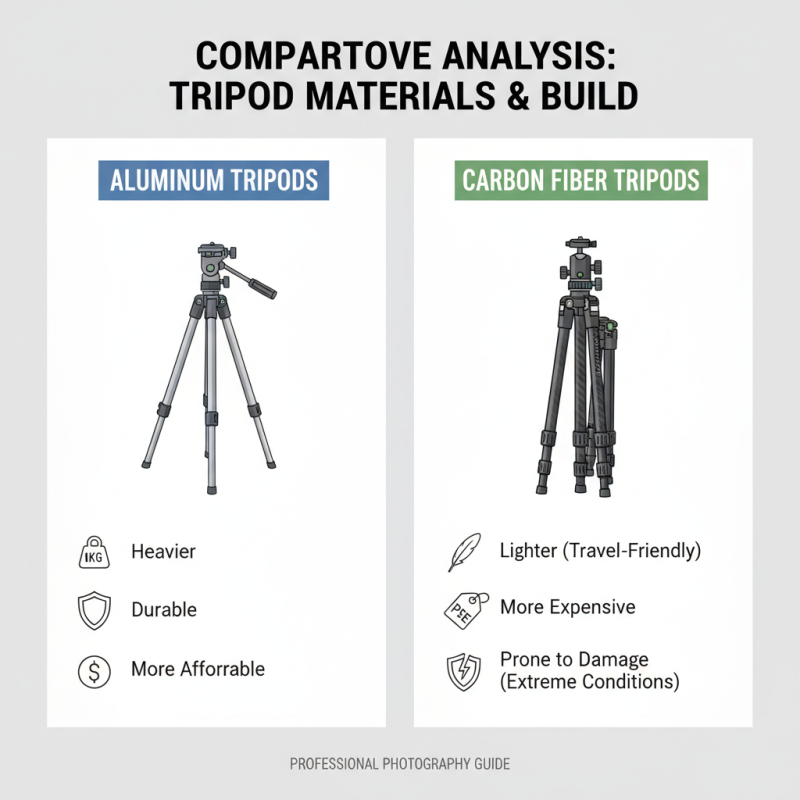
When choosing a heavy-duty camera tripod for professional photography, stability is paramount. Opt for tripods made from high-quality materials like carbon fiber or aluminum. These materials ensure they can withstand heavy equipment and adverse weather. A tripod that wobbles during a shoot can ruin critical shots and leads to frustration.
Next, consider the load capacity. Professionals often use full-frame cameras and heavy lenses. A tripod must support this weight without compromising stability. Additionally, adjustable leg locks are essential for quick height adjustments. Rubber feet or spiked tips provide grip on various surfaces. They enhance the tripod's versatility, allowing use on both solid ground and uneven terrains. Don’t overlook the importance of a quick-release plate. It simplifies attaching and detaching your camera, crucial during fast-paced shoots.
Pay attention to portability as well. A heavy-duty tripod may be robust but it shouldn't be cumbersome. Look for lightweight options that are easy to carry. While some tripods offer excellent features, they may lack in portability. Balancing functionality with convenience is key for any professional photographer. Remember, your gear should support your creativity, not hinder it.
Top Models of Heavy-Duty Camera Tripods Recommended for Professional Use
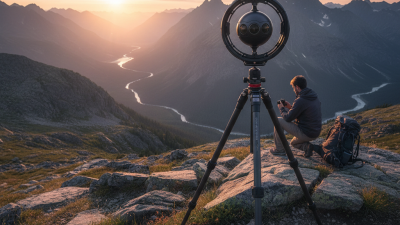
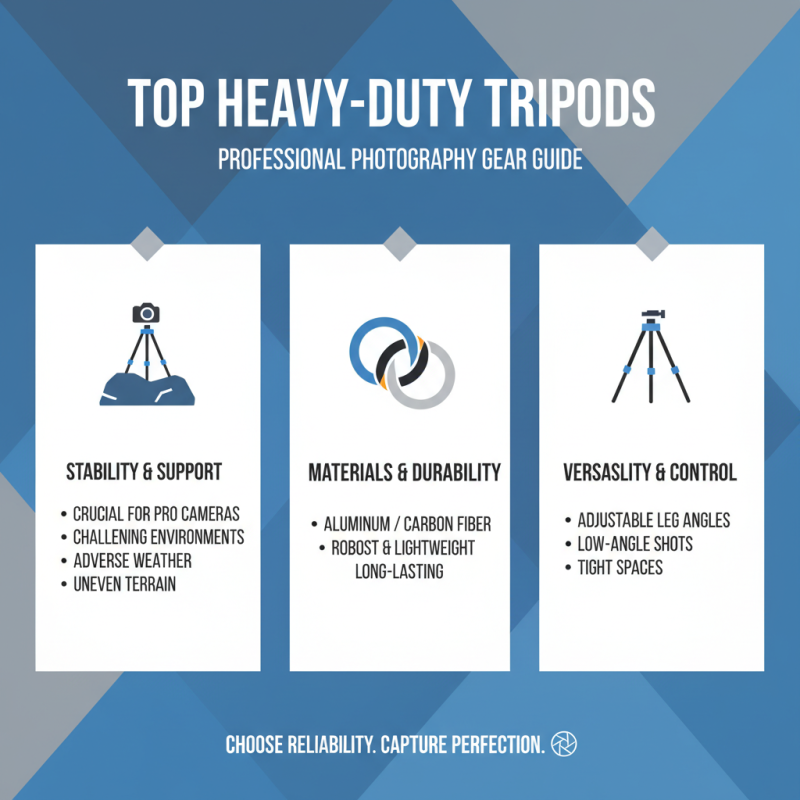
When it comes to professional photography, selecting the right heavy-duty tripod is crucial. These tripods provide stability and support for high-end cameras, especially in challenging environments. Look for models that can withstand adverse weather and uneven terrain. Opt for sturdy materials like aluminum or carbon fiber, which offer durability without excessive weight. Some tripods feature adjustable leg angles, enhancing their versatility. This can be invaluable for capturing low-angle shots or shooting in tight spaces.
Consider the load capacity when choosing a tripod. It should accommodate your camera and lens without compromising stability. A good heavy-duty tripod also allows for smooth panning and tilting, which is essential for video work. Features like quick-release plates can facilitate fast setup and breakdown, a notable advantage during busy shoots. However, not all tripods are equal. Some may be overly complex, hindering quick adjustments, which can frustrate photographers in the field.
In addition, the weight of the tripod may influence your decision. Heavier models provide more sturdiness but can be cumbersome to transport. Strike a balance between portability and robustness. Reflect on your shooting needs and environment. Ultimately, the best choice may be different for each photographer. Understanding your specific requirements helps avoid common pitfalls, ensuring you select a suitable model for professional use.
Essential Accessories for Enhancing Heavy-Duty Tripod Performance
When using heavy-duty camera tripods, certain accessories can significantly enhance their performance. For instance, a good
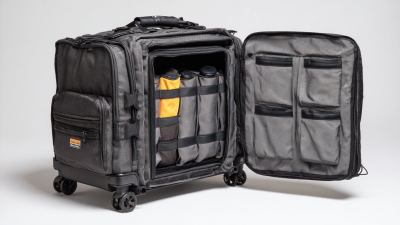
tripod bag protects your equipment during transport. It should have ample padding and compartments
to prevent any damage. Consider adding a quick-release plate for easier camera adjustments. This accessory saves time during shoots
and provides more agility.
Weights can also stabilize a tripod on uneven terrain. Attach them to the center hook for added steadiness.
A bubble level helps ensure your camera is perfectly aligned. This small tool can make a big difference in composition. Some
photographers overlook it, but it's crucial for achieving level shots.
Don't forget about leg warmers. They might seem unnecessary, but they protect the tripod from temperature fluctuations.
That can be critical in extreme conditions. Investing in a sturdy, durable tripod is essential, but these smaller accessories can elevate your photography game.
They reflect a commitment to detail and professionalism that will pay off in the long run.
Maintenance Tips for Extending the Life of Your Heavy-Duty Tripod
Heavy-duty camera tripods are essential for professional photographers. However, maintaining these tools is crucial for longevity and performance. Here are some effective maintenance tips to extend the life of your tripod.
Regular inspection is vital. Check for signs of wear and tear, especially on the legs and joints. Clean any dirt or debris. Use a damp cloth, ensuring no moisture gets into the locking mechanisms. Staying proactive can prevent more significant issues down the line.
Proper storage matters too. Avoid leaving your tripod in extreme temperatures. This can damage its materials over time. Additionally, using a carrying case protects it from external elements. Remember to tighten the bolts regularly. They can loosen during use, potentially affecting stability. Careful maintenance fosters a reliable shooting experience.
Best Heavy-Duty Camera Tripods for Professional Photography - Maintenance Tips for Extending the Life of Your Heavy-Duty Tripod
| Model |
Load Capacity (lbs) |
Material |
Weight (lbs) |
Price Range ($) |
Maintenance Tips |
| Model A |
40 |
Aluminum |
5.5 |
200-300 |
Clean legs regularly; avoid sand and dirt. |
| Model B |
50 |
Carbon Fiber |
3.9 |
400-600 |
Apply lubricant to joints; store in case. |
| Model C |
60 |
Aluminum |
6.2 |
300-500 |
Avoid extreme temperatures; check screws regularly. |
| Model D |
75 |
Carbon Fiber |
4.5 |
500-800 |
Keep dry; inspect for wear and tear. |