10 Tips for Choosing the Best Portable Camera Tripod for Your Needs?
Choosing the right Portable Camera Tripod can significantly enhance your photography experience. With a range of options available, it’s crucial to understand what suits your needs best. An ideal tripod provides stability, flexibility, and ease of transport. You don’t want to miss capturing that perfect shot because your equipment isn’t up to par.
Many photographers overlook the importance of weight and height when selecting a tripod. A lightweight tripod may be easier to carry, but it might lack stability. Conversely, a heavier model could be cumbersome on long hikes. It’s essential to find a balance that fits your photography style. Try out different models, as personal comfort plays a vital role.
Consider your shooting environment. Will you be on a rocky beach, or shooting in a studio? The right Portable Camera Tripod should adapt to various terrains and conditions. Reflect on your photography goals and how often you’ll use your tripod. This process isn’t just about buying equipment; it’s about understanding how it empowers your creative vision.
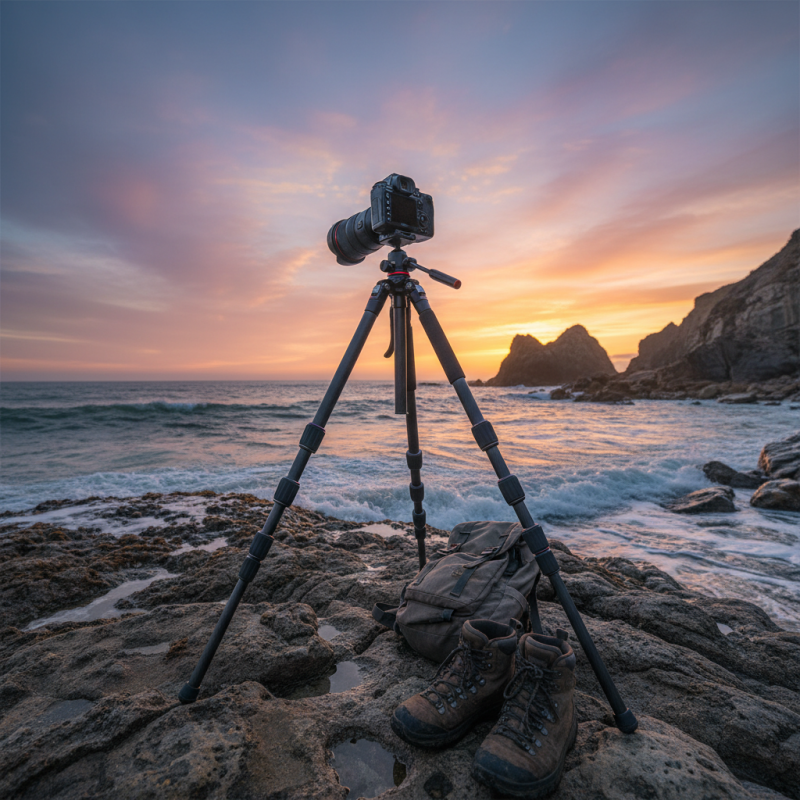
Understanding the Importance of a Portable Camera Tripod
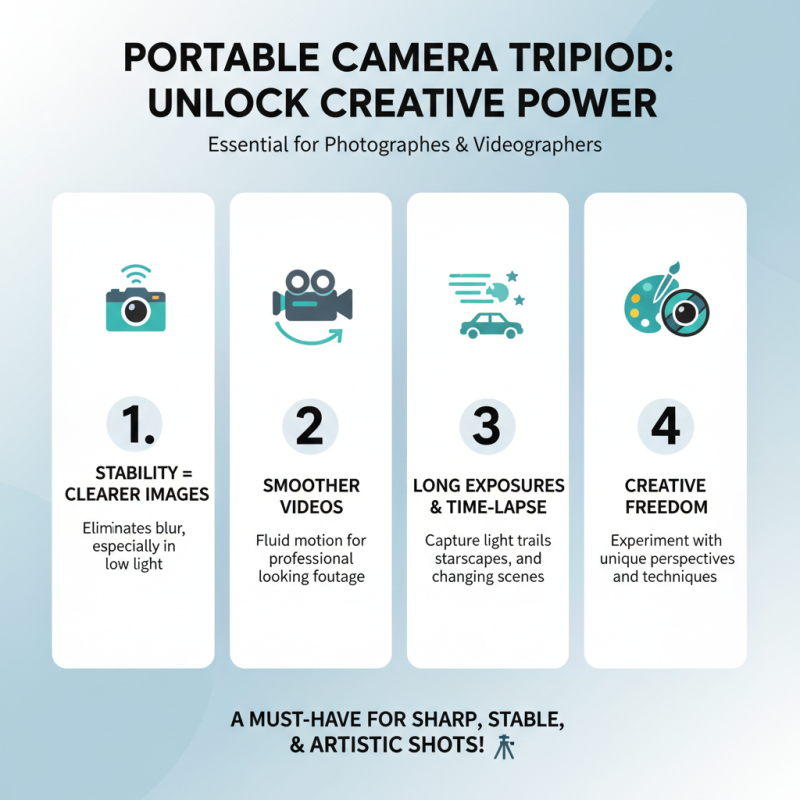
A portable camera tripod is essential for photographers and videographers. It stabilizes your camera for clearer images and smoother videos. Without one, capturing sharp images can be a challenge, especially in low light. A sturdy tripod allows you to experiment with long exposures or time-lapse photography, giving you creative freedom.
Choosing the right tripod involves understanding your specific needs. Not all tripods are created equal. Some are lightweight and compact, ideal for travel. Others are more robust, suitable for studio work. Consider how often you will use it and the types of shots you want to achieve. Look for adjustable height options for versatility.
Pay attention to the weight capacity as well. A lightweight tripod might not support heavier equipment. However, heavier tripods can be cumbersome. Balance is crucial. Some tripods offer added features, such as pan-and-tilt heads. These can help with dynamic shots, but they may add weight. Ultimately, ensuring your tripod aligns with your photography goals is essential. Think about how it fits into your workflow before making a decision.
Key Features to Consider When Selecting a Tripod
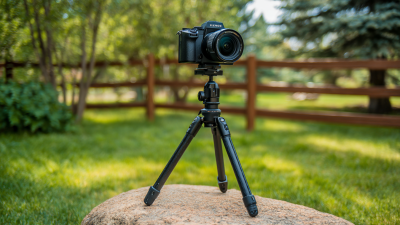
When selecting a portable camera tripod, consider key features essential for your photography needs. Stability is crucial. Look for tripods with wide bases and adjustable legs. A tripod that wobbles may ruin your shots. Check the maximum height and minimum height. Ensuring the tripod suits various shooting landscapes will enhance your versatility.
Weight is another critical factor. A lightweight model is great for traveling, but it shouldn't compromise stability. Assess the material; aluminum is common, but carbon fiber is lighter and sturdier. Ease of setup is important too. A tripod with intuitive locks and quick-release plates will save you time and frustration, especially during fleeting moments.
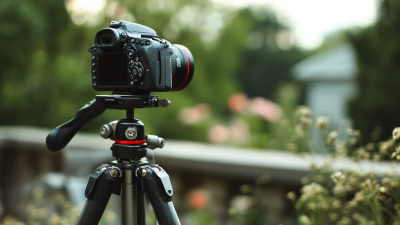
Lastly, consider the head type. A ball head allows for smooth movement and quick adjustments. A pan-tilt head provides precision but can take longer to adjust. Reflect on your shooting style. Do you need speed or stability? Each choice has its pros and cons, and understanding them can help refine your selection process. Balancing these factors ensures you choose a tripod that enhances your photography.
10 Tips for Choosing the Best Portable Camera Tripod for Your Needs
| Feature |
Description |
Considerations |
| Weight |
Lightweight tripods are easier to carry. |
Consider the weight versus build quality. |
| Height |
Adjustable height for various shooting angles. |
Check the minimum and maximum height capabilities. |
| Material |
Aluminum is durable; carbon fiber is lighter. |
Determine balance between weight and durability. |
| Head Type |
Ball heads allow for quick adjustments; pan-tilt heads provide stability. |
Choose based on shooting style and needs. |
| Stability |
Heavy bases and wider legs enhance stability. |
Evaluate construction and locking mechanisms. |
| Portability |
Compact designs are easier to transport. |
Look for foldable and lightweight options. |
| Price |
Budget-friendly options may lack features. |
Set a budget but consider quality vs. cost. |
| Quick Release Plate |
Allows fast attachment and removal of the camera. |
Ensure compatibility with your camera type. |
| Leg Locks |
Twist locks are secure, flip locks are faster. |
Consider ease of use and speed in the field. |
Types of Tripods and Their Suitability for Different Photography Styles
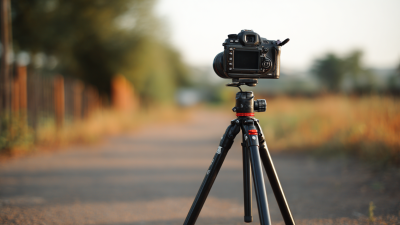
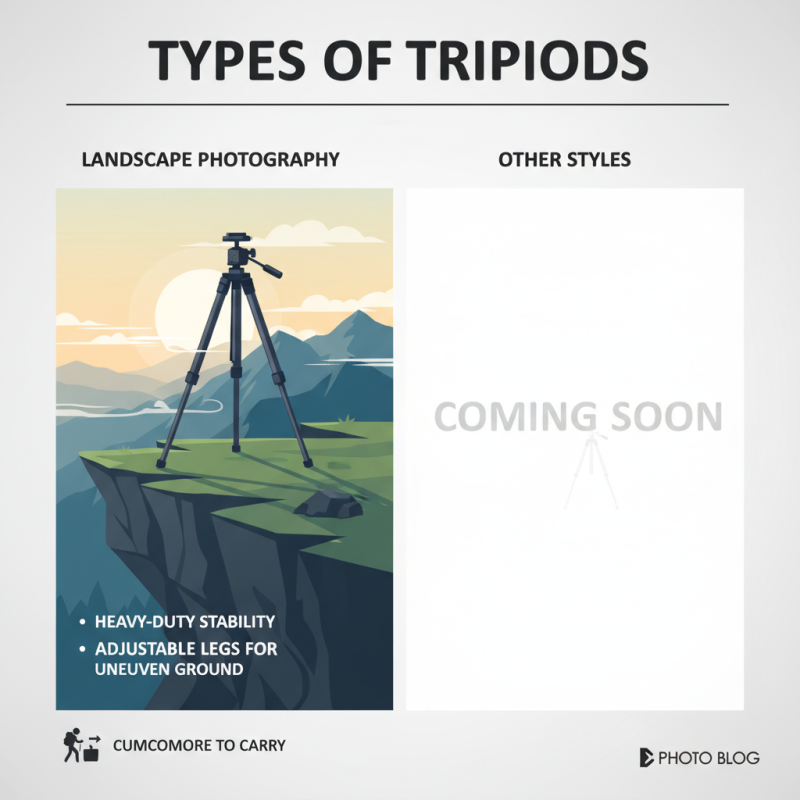
When selecting a tripod, understanding the types available is key. For landscape photography, a sturdy tripod is crucial. A heavy-duty model ensures stability against wind and uneven terrain. These tripods often have adjustable legs, allowing flexibility on different surfaces. However, they can be cumbersome to carry.
For portrait photography, look for a tripod with a fluid head. This allows smooth adjustments and precise angles. Lightweight models work here, but they should still support your camera’s weight. A stable base is essential, yet portability remains a concern. Balancing these needs can be challenging. Sometimes, a more robust model could be needed.
When it comes to travel photography, compact tripods shine. These are lightweight and designed for easy packing. They may lack the stability of larger tripods, which is a trade-off. Smaller tripods can struggle against heavy winds. It’s important to reflect on how much stability you really need versus the convenience of transport. Each type serves different purposes, and your choice may depend on your specific photography style and scenario.
Evaluating Stability and Weight Capacity of a Tripod
When selecting a portable camera tripod, stability is paramount. A tripod must handle various terrains, from sandy beaches to rocky landscapes. Look for wide bases or adjustable feet. They help maintain balance on uneven surfaces. Additionally, consider the weight capacity. A lightweight tripod may seem appealing but can struggle with heavier camera setups. Ensure the tripod can support your equipment without wobbling.
Weight capacity is influenced by materials and design. Aluminum tripods are often sturdy but may be heavier. Carbon fiber models are lightweight and resilient. They are ideal for travel, yet their cost can be higher. Make sure to check the manufacturer’s specifications. A tripod that appears robust might not always translate to actual performance. It’s essential to test it with your gear before making a decision.
A secure tripod inspires confidence, but a flimsy one can lead to shaky shots. Reflect on your photography needs. A tripod that's stable and can support your gear is vital. However, it shouldn't be overly cumbersome to carry. Finding a balance between portability and durability is key. Don’t overlook the importance of features like quick-release plates or adjustable legs. They enhance usability and efficiency. Ultimately, your choice should cater to your style of shooting, ensuring you capture sharp and beautiful images consistently.
Budgeting: Finding a Quality Tripod Within Your Price Range
When selecting a portable camera tripod, pricing plays a crucial role. A quality tripod doesn't have to break the bank. Set a realistic budget that considers your photography needs. Factor in how often you'll use the tripod and the types of settings you'll be in. It can help you narrow down your options.
Explore different materials. Aluminum tripods are generally more affordable, while carbon fiber can be pricier but offers enhanced stability. Balance your desire for durability with your spending limit. Sometimes, a slightly less expensive model might offer the features you need without the hefty price tag.
Remember to consider weight and portability. A compact tripod can be easier to carry, especially during long hikes. Look for features like quick-release plates. They can save you time and frustration. Ultimately, focus on getting a tripod that meets your specific needs while staying within your financial limits.
Budgeting: Finding a Quality Tripod Within Your Price Range