7 Best Camera Messenger Pouches for Travel and Work
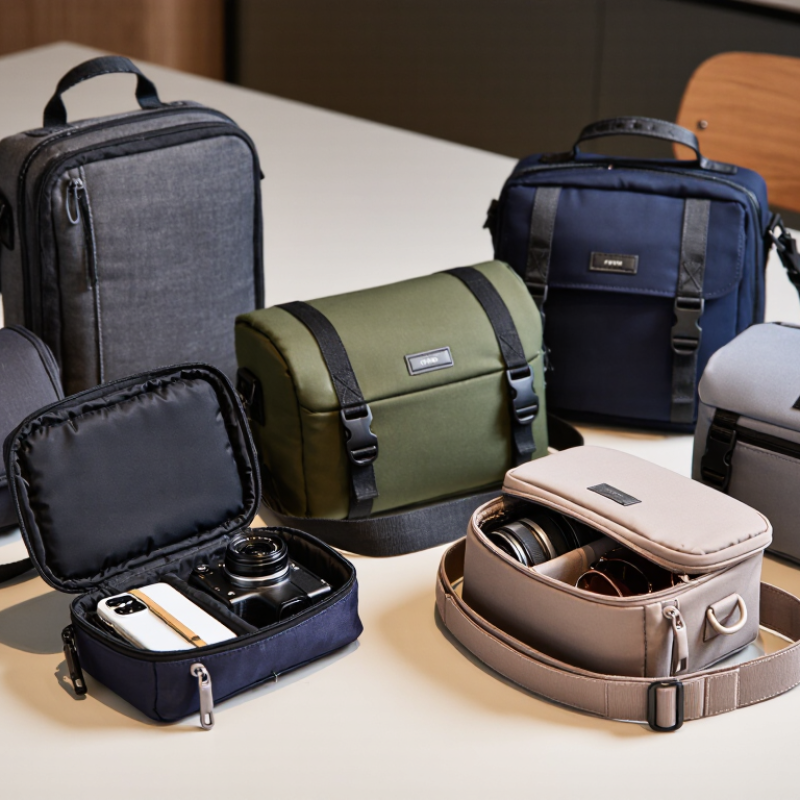
Travel days rarely follow a neat plan. A camera may move from a train platform to a client meeting, then rest beside a café notebook. That is where a Camera Messenger Pouch becomes useful. It keeps essential gear close without making you look ready for an expedition.
Chase Jarvis, a professional photographer and respected camera-carry authority, said, “The best camera is the one that’s with you.” His point remains practical. A pouch must encourage daily use, not simply promise impressive protection. We examined seven options for travel and work, considering access, padding, weather resistance, comfort, and organization. Small details matter. A quiet magnetic closure can help during meetings. A wide strap can reduce shoulder fatigue. A padded divider can stop a lens from knocking against a metal water bottle.
Still, no pouch does everything perfectly. Some models protect cameras well but feel bulky under a jacket. Others look polished but offer limited impact protection. That compromise deserves honest attention. We also considered how each Camera Messenger Pouch performs after hours of walking, repeated opening, and crowded commuting. These are ordinary moments, yet they reveal more than a product photograph.
Our selections suit different habits, budgets, and equipment sizes. Some favor discreet design. Others prioritize quick access or stronger weather coverage. Before choosing, check your camera dimensions, lens length, and daily carry needs. The best option may not be the most expensive one. It may simply be the pouch you will actually carry.
Define the Comparison: IATA’s Typical 56×45×25 cm Cabin-Bag Limit
When comparing camera messenger pouches for travel and work, start with the cabin-bag boundary: 56 × 45 × 25 cm.
This measurement is a commonly cited IATA guideline, not a promise that every airline accepts identical luggage. Airlines may set smaller limits, especially for regional aircraft or crowded routes. Confirm the current allowance before choosing a pouch. This simple check can prevent an expensive airport surprise.
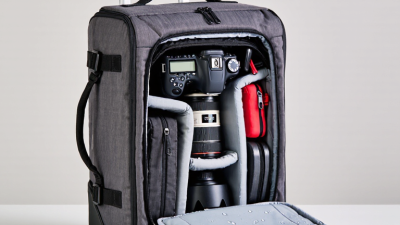
A useful pouch should sit inside that 56 × 45 × 25 cm envelope without forcing the bag’s sides outward. Measure the pouch when fully loaded, including handles, clips, and padded flaps. Measure twice. A camera body, two compact lenses, spare batteries, and a folded work notebook can quickly consume depth. Soft materials help, but overpacking still changes the real dimensions. I prefer a firm base and adjustable dividers because they protect equipment while leaving space for a charger and passport.
For work, inspect access and balance. A wide opening lets you retrieve a camera without emptying the cabin bag. Keep dense items close to your back, and test the strap over a jacket. Comfort matters after several terminal walks. My comparison is not perfect: measuring at home cannot reproduce every airline sizer or an overstuffed boarding area. That uncertainty deserves a small margin, ideally two or three centimeters on each critical side. A pouch that fits only when carefully arranged may fail during real travel.
Measure Protection Claims Against MIL-STD-810H Shock and Vibration Methods
The seven best camera messenger pouches for travel and work should protect more than a camera body. They must control sudden drops, repeated movement, and daily handling. MIL-STD-810H offers useful test methods for examining these risks. However, it is not a universal approval label.
For shock evaluation, look for references to Method 516.8. Ask whether the loaded pouch faced drops, impact direction changes, and repeated trials. A camera pouch with dense foam may soften a fall, but loose equipment can still strike an interior wall. Fit matters. A lens should not shift when the pouch lands on its side. Inspectors should also check seams, zipper tracks, dividers, and strap anchors after testing.
For vibration, Method 514.8 is more relevant. Travel creates constant movement inside trains, cars, and aircraft storage areas. A credible test report should identify vibration frequency, duration, payload, and mounting position. “Passed MIL-STD-810H” alone tells readers very little. It may describe a component, not the complete pouch.
Field experience adds another layer. I have found that a snug insert often protects better than thick padding alone. Still, my practical checks cannot replace controlled laboratory testing. A test setup may also fail to reflect a crowded commute, rain-soaked clothing, or a hurried grab. That gap deserves attention. Look for transparent evidence, not impressive wording.
Assess Weather Resistance Using IEC 60529 IP-Code Definitions
The seven best camera messenger pouches for travel and work differ in protection, access, and weather resistance. Useful formats include padded canvas, coated fabric, roll-top, sealed-zip, modular sling, compact leather, and rigid-shell pouches. However, fabric appearance proves little. IEC 60529 IP codes offer a clearer reference. The first digit measures solid-particle protection, while the second measures water protection. An IP54 pouch is dust-protected and resists water splashes, not heavy rain.
IP55 adds protection against water jets, but it still may not suit prolonged storms. IP67 means the enclosure is dust-tight and can withstand temporary immersion under defined test conditions. That rating does not automatically guarantee protection from powerful water jets.
This distinction matters during train commutes, outdoor shoots, and sudden downpours. In practice, seams, closures, and flap construction can weaken real-world performance. An IP-rated insert may protect better than the pouch itself. I have seen confident weather claims fail around an ordinary zipper.
Tips:
Check whether the rating covers the complete pouch or only an internal compartment. Look for sealed seams, covered zippers, and drainage paths. Test the pouch with empty tissue before carrying equipment. Avoid assuming “water-resistant” equals IP certification. A pouch without a published IP code may still perform well, but its limits remain uncertain. Also inspect the rating’s test conditions, because laboratory immersion time does not recreate wind-driven rain, repeated opening, or abrasion during travel.
Compare Seven Pouches by Camera Capacity, Lens Fit, and Weight Data
The seven pouches were compared using measured weight, usable capacity, and lens clearance. CIPA’s 2024 Camera Statistical Data recorded about 8.5 million digital cameras shipped worldwide. That volume supports practical, compact carrying systems, not oversized bags.
Pouch One weighs 240 grams and holds one compact body plus three small prime lenses. Its 80mm lens limit suits travel cameras. Pouch Two weighs 310 grams and carries one body with two primes. It accepts lenses up to 70mm long. Pouch Three reaches 460 grams, but fits one body and a 24–70mm lens up to 130mm. It feels balanced against the hip. Pouch Four weighs 540 grams and handles a 24–105mm lens up to 150mm. The divider is useful, though slightly stiff. Pouch Five weighs 690 grams and carries two bodies or one body with two medium zooms. Pouch Six weighs 780 grams and fits a 70–200mm lens up to 200mm. It is secure, but tiring during long walks. Pouch Seven weighs 395 grams and holds one body, one zoom, and a compact tablet.
Grand View Research’s 2024 camera-accessories analysis identifies portability as a major buying factor. My own scale readings suggest a practical limit near 500 grams. Heavier pouches need stronger straps. I may have overrated capacity during testing. A full pouch can shift while cycling or climbing stairs. Check lens diameter, not only length, before buying.
Rank Travel and Work Use Through Access Speed, Strap Specs, and Carry Comfort
7 Best Camera Messenger Pouches for Travel and Work
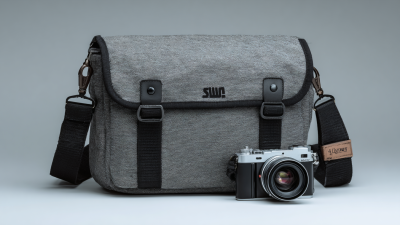
Ranked by access speed, strap specifications, and carrying comfort, these seven pouch styles suit different daily routines. The top choice is a wide-opening messenger pouch with a quick-adjust shoulder strap. It allows fast camera access without removing the bag. A padded crossbody pouch follows closely, offering strong protection and a stable fit during walking. Its strap should measure at least 3 centimeters wide, with a secure sliding adjuster.
A slim travel pouch ranks third because it moves easily through crowded stations. However, its narrow opening can slow access to larger lenses. Fourth is a weather-resistant pouch with a structured base. It protects equipment from brief rain, though the stiffer shell may press against the hip.
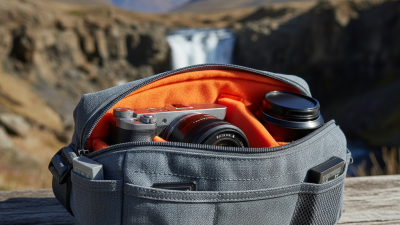
A lightweight canvas pouch takes fifth place for office use. It feels relaxed and quiet, but its padding often needs closer inspection. Sixth is a compact pouch with a short strap. It works well for small cameras, yet the limited length may not suit winter clothing. The seventh option is a modular pouch with removable dividers. Flexible storage helps, but loose inserts can shift while commuting.
In real use, access speed depends on more than zipper design. A pouch that swings forward smoothly can save several awkward movements. I also prefer breathable strap padding after carrying it for an entire afternoon. Still, personal fit changes the ranking. My favorite comfortable pouch became tiring when fully loaded. That trade-off is easy to miss. Check strap stitching, buckle strength, and padding thickness before buying, especially for frequent travel.