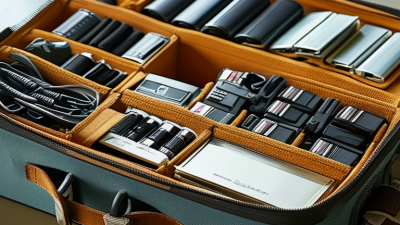
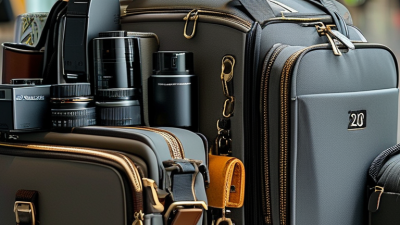
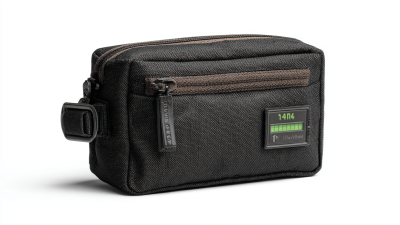
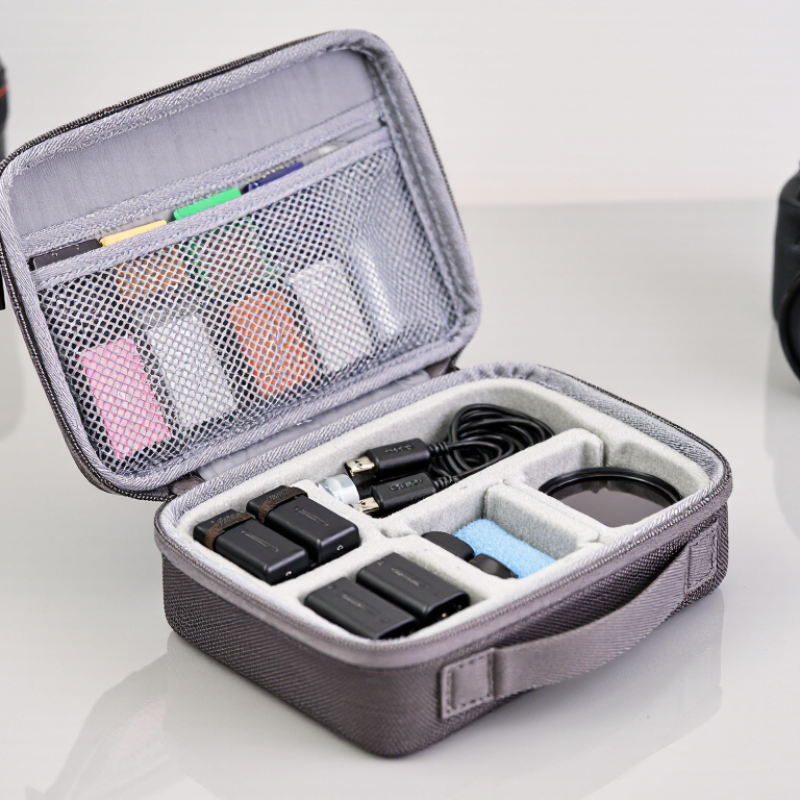
A Camera Organizer Pouch is a compact storage case designed to keep camera accessories arranged, protected, and ready for use. It may hold batteries, memory cards, charging cables, filters, lens caps, and small cleaning tools. Unlike a traditional camera bag, it focuses on organization rather than carrying an entire camera system. Many designs use padded walls, elastic loops, mesh pockets, and adjustable dividers. A loose battery should not share space with sharp metal tools.
The need is practical. The Camera and Imaging Products Association (CIPA) reported approximately 7.77 million digital cameras shipped worldwide in 2023. Each camera system often requires several supporting accessories. CIPA’s industry statistics also separate interchangeable-lens cameras from smaller built-in-lens models, showing that equipment needs vary across users. A pouch must reflect those differences. A travel photographer may need filter protection, while a family user may only need a spare battery and card wallet. One size rarely fits everyone.
Industry research supports the wider accessories market, although pouch-specific figures are not always reported separately. Grand View Research and Technavio both identify growth in photography equipment and accessory demand, driven by travel, content creation, and compact gear. Still, market claims can oversimplify real use. A highly padded pouch may protect gear but waste valuable space. A slim pouch may fit beautifully but offer weak impact protection. That trade-off matters. This guide examines materials, layouts, capacity, portability, and everyday handling, helping readers judge whether a Camera Organizer Pouch truly suits their equipment. Sometimes, the best choice is the simplest one.
What Is a Camera Organizer Pouch?
Definition and Basic Purpose of a Camera Organizer Pouch
A camera organizer pouch is a compact storage case for photography equipment. It keeps cameras, lenses, batteries, cables, and memory cards arranged in one protected space. Unlike a simple bag, it usually includes padded dividers, elastic loops, and several small compartments.
Its basic purpose is protection and quick access. A padded interior can reduce scratches from loose accessories. Dividers can also stop a lens from hitting a battery charger during travel. In my experience, a well-organized pouch makes setup faster, especially when working outdoors or changing locations often. It also helps users notice missing equipment before leaving home.
The pouch should match the equipment, not the other way around. A case that is too tight may press against controls or lens surfaces. A very large pouch can encourage careless packing. I have sometimes carried more accessories than needed. That made the pouch heavy and less useful. The ideal design offers enough structure without becoming difficult to carry.
Tips: Measure your camera and lens before choosing a pouch. Place delicate items in padded sections. Keep batteries separate from sharp accessories. Check the zipper and stitching regularly. A simple checklist can prevent small but expensive mistakes.
| Data Dimension | Typical Information | Basic Purpose or Practical Meaning |
|---|---|---|
| Definition | A compact storage case designed to organize and carry camera accessories. | Keeps small photography equipment together and easier to access. |
| Primary Function | Organization, separation, and short-distance protection of accessories. | Reduces clutter inside a camera bag, backpack, or carry-on case. |
| Common Items Stored | Memory cards, batteries, card readers, cables, chargers, filters, lens caps, and cleaning tools. | Groups frequently used items in one clearly defined location. |
| Typical Internal Layout | Small compartments, elastic loops, mesh pockets, dividers, and zippered sections. | Prevents accessories from moving freely or becoming tangled. |
| Typical Materials | Nylon, polyester, canvas, neoprene, EVA foam, mesh, and padded synthetic fabrics. | Materials provide varying levels of flexibility, cushioning, abrasion resistance, and moisture resistance. |
| Protection Level | Usually light to moderate protection; padded models offer greater impact protection. | Helps protect accessories from scratches, dust, minor knocks, and contact with other equipment. |
| Moisture Resistance | Some pouches use water-resistant fabric or coated surfaces; few are fully waterproof. | Offers limited protection from splashes and light moisture, depending on construction. |
| Closure Types | Zippers, hook-and-loop fasteners, drawstrings, snaps, or roll-top closures. | Keeps stored items contained during transport and helps limit dust entry. |
| Common Size Range | Small personal pouches commonly measure about 15–30 cm in length and 10–20 cm in width; dimensions vary by design. | Size should match the number and dimensions of the accessories being carried. |
| Portability | Usually lightweight and small enough to fit inside a larger camera bag or everyday backpack. | Makes accessory transport more convenient for travel, events, and outdoor shooting. |
| Access Speed | Fast access is supported by wide openings, labeled sections, and visible mesh pockets. | Allows photographers to replace batteries, cards, or cables without searching through a large bag. |
| Best Use Cases | Travel photography, studio work, outdoor shooting, commuting, and everyday camera carrying. | Useful whenever several small camera-related items need to be carried together. |
| Main Benefits | Improved organization, faster access, reduced item loss, and separation of clean and delicate accessories. | Creates a more orderly and efficient camera-carrying system. |
| Important Limitation | A pouch is generally not a substitute for a rigid protective case or a fully padded camera bag. | For heavy impact, harsh weather, or valuable camera bodies and lenses, stronger dedicated protection may be required. |

A camera organizer pouch is a compact case that keeps camera bodies, lenses, batteries, cards, and cables arranged in one place. Its value depends less on appearance and more on compartment design. CIPA reported approximately 7.73 million digital cameras shipped worldwide in 2023, showing that portable camera equipment still requires practical protection during travel and daily use.
Key compartments should include adjustable padded dividers, a separate battery pocket, and a slim section for memory cards. These spaces prevent metal accessories from scratching a lens or pressing against delicate controls. Thick foam or shock-absorbing walls can reduce damage from short drops and crowded luggage. A soft microfiber lining helps protect glass surfaces from dust and light abrasion. Water-resistant fabric and covered zippers offer useful protection from rain or accidental spills, although they are not fully waterproof. No pouch is perfect.
Tips: Place the heaviest item near the center. Keep batteries in their own pocket. Check the stitching and divider strength before buying. A pouch that feels slightly tight may secure equipment better, but excessive pressure can damage buttons or lens mounts. Photographers often focus on padding and forget moisture control. That is a mistake. The Outdoor Industry Association’s participation research continues to show strong consumer interest in outdoor recreation, where changing weather and rough handling are common. A reliable organizer should therefore balance quick access, internal separation, and realistic protection rather than simply adding more pockets.
This example layout has one padded compartment for a camera, two pockets for accessories such as batteries or cables, and one small pocket for memory cards. Padding helps cushion gear, while separate pockets keep items organized. Counts describe this example layout, not all camera organizer pouches.
A camera organizer pouch is a padded insert or standalone case for arranging a camera, lenses, batteries, and small cables. It reduces contact between hard surfaces and helps prevent scratches during daily carrying. Common materials include polyester, nylon, canvas, neoprene, and molded foam. Nylon handles light rain well, while canvas feels sturdy but may absorb moisture. Neoprene bends easily around compact gear. Foam gives structure, though inexpensive foam can flatten quickly. In practical use, a soft lining matters as much as the outer fabric. Dust and grit can work like fine sandpaper.
Sizes should match the equipment, not the owner’s hopes. A compact pouch may fit one small camera and two batteries. Medium designs often hold a camera body, one lens, a charger, and memory cards. Larger organizers can separate several lenses, a flash, and a cleaning cloth. Measure the longest item first, then check the pouch’s internal depth. I have found that external dimensions can mislead. A thick zipper and padding consume usable space. Leave a little room. Overpacked compartments make gear hard to remove quickly.
Design variations include adjustable dividers, elastic loops, mesh pockets, cable slots, and removable shoulder straps. Dividers help when lens shapes change, but loose panels may shift during movement. A wide-opening zipper improves visibility on a crowded table. A slim sleeve saves backpack space, while a boxier pouch offers stronger protection. Water-resistant fabric helps, but it cannot guarantee safety during heavy rain. The perfect layout rarely stays perfect. Equipment changes, and today’s empty pocket may become tomorrow’s missing divider.
A camera organizer pouch is a compact storage case for photography gear. It keeps small equipment together inside a larger camera bag. Its main value is controlled organization, not extra capacity. Separate compartments can hold batteries, memory cards, cables, lens cloths, filters, and compact tools. Soft padding helps reduce scratches when equipment shifts during travel.
A well-designed pouch uses dividers, elastic loops, and zippered pockets. These features prevent loose items from hiding at the bottom. I once stored spare batteries beside a metal tool and noticed minor scuffing later. That mistake changed how I pack. Sensitive items now use separate sections, while frequently needed accessories stay near the opening. A pouch may feel secure, but it cannot replace careful handling or moisture protection.
Tips: Match the pouch size to your actual gear. Empty space can cause items to move. Check the seams and zipper before outdoor use. Choose padding for fragile accessories, but avoid overstuffing. Labeling memory cards can prevent accidental confusion. I still occasionally pack too much, especially before long shoots. Removing unused cables makes the pouch lighter and easier to search. A quick inventory after each session also reveals missing or damaged items before the next outing.
What Is a Camera Organizer Pouch?
Factors to Consider When Choosing One
A camera organizer pouch keeps small essentials—batteries, memory cards, cables, and a cleaning cloth—in one protected place. Choosing one starts with what you actually carry. Measure your largest accessory, then check the pouch’s inner dimensions; exterior measurements can be misleading. Fit matters. A snug layout limits rattling, while a little spare room makes items easier to retrieve. Removable dividers help, but thin dividers may shift when the pouch is full.
Protection is more than thick padding. Look for smooth lining, secure stitching, and a closure that won’t snag cables. Water-resistant fabric can help with splashes, though it is not a substitute for a rain cover. Also consider access: can you find a spare battery without emptying everything onto a bench? CIPA’s 2024 shipment report records about 8.49 million digital cameras shipped worldwide, up from 7.73 million in 2023. Those figures do not prescribe a pouch size, but they show the continuing scale of camera use. A useful choice depends on your own kit, not a gear trend. And a heavily padded pouch can still be frustrating if it takes up too much room in your camera bag.