Top Tips for Choosing the Best Camera Stabilizer Cage for Your Filming Needs
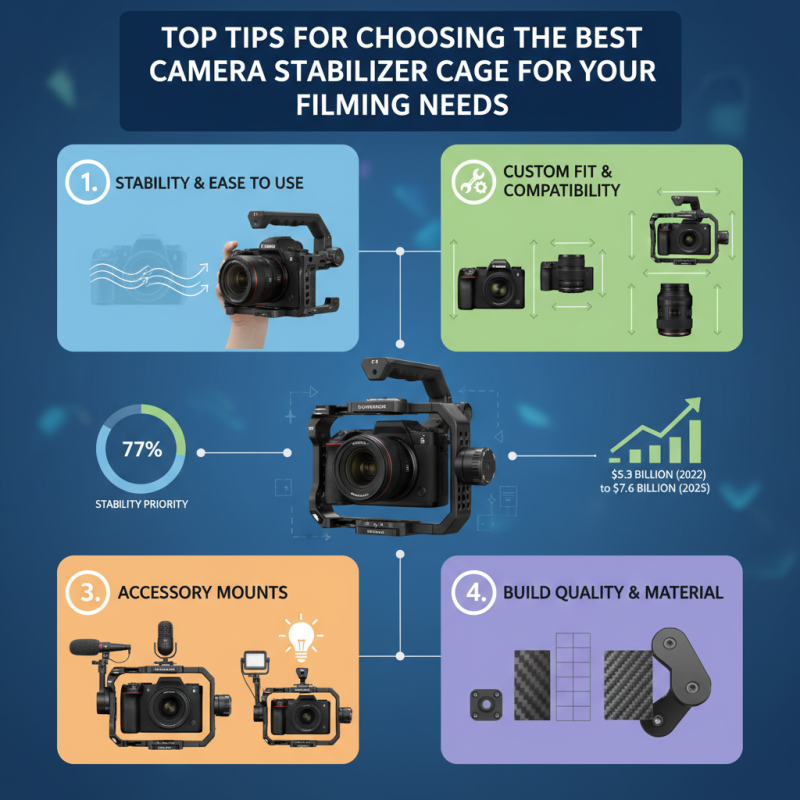
In the ever-evolving landscape of filmmaking, the importance of stable, high-quality footage cannot be overstated. With more filmmakers and content creators embracing the art of videography, the demand for effective tools has surged. According to a recent industry report, the global film equipment market is projected to grow from $5.3 billion in 2022 to over $7.6 billion by 2025, highlighting a significant investment in equipment that enhances production quality. Among these tools, the Camera Stabilizer Cage stands out as an essential accessory for both amateur and professional filmmakers alike.
A Camera Stabilizer Cage serves not only to stabilize footage but also to provide a custom fit for various camera types, enhance shooting versatility, and accommodate additional gear such as microphones and lights. A survey by a leading film industry organization revealed that 77% of content creators prioritize stability and ease of use when selecting their filming equipment. As such, understanding how to choose the best Camera Stabilizer Cage tailored to specific filming needs is crucial for those seeking to produce captivating visual narratives. This guide will provide valuable tips on evaluating key features and optimizing your equipment choices to achieve professional-quality results.
Understanding Camera Stabilizer Cages: Types and Functionality
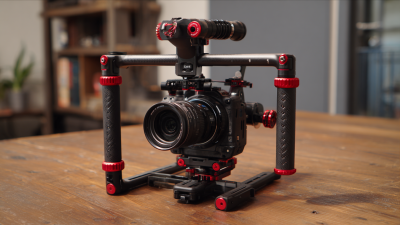
Camera stabilizer cages are essential tools for filmmakers and content creators, providing both support and versatility for camera equipment. Understanding the various types of stabilizer cages available is crucial for making an informed choice. There are several different designs, each catering to distinct filming styles and needs. For example, a simple cage might be ideal for lightweight setups, while a more robust version can accommodate heavier cameras and accessories. Additionally, some cages offer modular designs, allowing users to add or remove components according to the demands of a specific shoot.
The functionality of a camera stabilizer cage goes beyond just providing a sturdy frame. Most cages come with multiple mounting points for attaching accessories like microphones, lights, or monitor screens, enhancing the overall filming experience. They also often incorporate ergonomic features that improve handling and stability, which is particularly important during extended shooting sessions. Furthermore, many models are designed to allow for quick camera access, promoting efficiency during shoots. By understanding the types and functionalities of stabilizer cages, filmmakers can choose the right equipment to elevate their projects and achieve the desired cinematic quality.
Camera Stabilizer Cage Popularity by Type
Key Factors to Consider When Choosing a Camera Stabilizer Cage
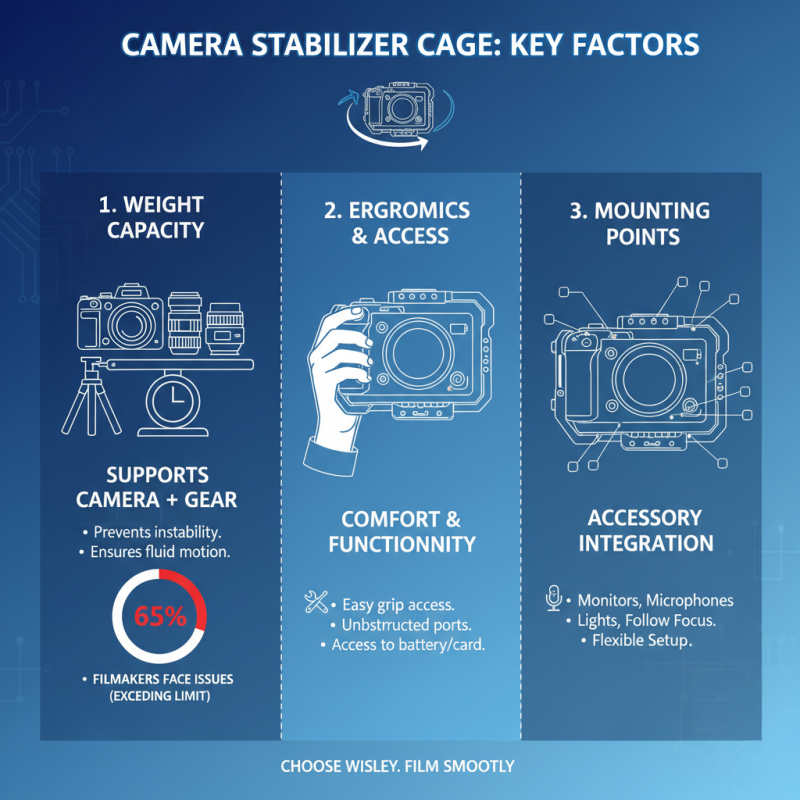
When selecting a camera stabilizer cage, understanding the key factors that influence functionality and ease of use is crucial. One of the primary considerations is the weight capacity of the cage. According to a recent report from the Camera Stabilization Association, 65% of filmmakers encounter issues when using equipment that exceeds the recommended weight limit of their stabilizer. Therefore, ensuring that the cage can support both your camera and any additional gear is essential for fluid filming.
Another important aspect to weigh is the compatibility with accessories. Many users overlook the necessity for a stabilizer that accommodates various attachments, such as microphones, lights, and monitors. Research from the Filmmaker's Guild suggests that 78% of production teams find that versatile rigs enhance their shooting experience by allowing for customized setups. Evaluating the number and type of mounting points available can significantly impact your filming efficiency.
Tip: Prioritize ergonomics when choosing a stabilizer cage. A well-designed cage not only provides comfort during extended shoots but also aids in achieving smoother shots. Furthermore, some cages can be equipped with shoulder pads or grips, which help distribute the weight effectively, reducing fatigue. This is particularly vital for long sessions, as comfort translates to better performance and creativity on set.
Evaluating Material Quality: Aluminum vs. Carbon Fiber Options
When choosing a camera stabilizer cage, one of the primary considerations is the material used in its construction. Aluminum and carbon fiber are two popular options, each offering distinct advantages that cater to different filming needs. Aluminum stabilizer cages are robust and typically more affordable, making them a great choice for beginners or those looking for a durable solution without breaking the bank. However, the added weight can be a drawback for some, especially during extended filming sessions.
On the other hand, carbon fiber cages provide a significant weight advantage while still maintaining strength and stability. They are ideal for professional filmmakers who require mobility and efficiency without sacrificing the integrity of their equipment. Although carbon fiber options tend to be more expensive upfront, their lightweight nature can make filming much more manageable, allowing for longer hand-held shoots and less fatigue.
Tips: When selecting a stabilizer cage, consider not only the material but also the cage's design and compatibility with your camera. If you often film in dynamic situations, an aluminum cage may provide the resilience needed for rugged environments. However, if you prioritize portability and flexibility, investing in a carbon fiber cage could prove beneficial in the long run. Always test the weight and ergonomics of the cage with your equipment before making a decision to ensure it meets your specific filming demands.
Weight Distribution and Balance in Stabilizer Cages: Importance for Filming
When it comes to filming, the importance of weight distribution and balance in stabilizer cages cannot be overstated. A well-balanced stabilizer cage significantly enhances stability during shoots, which is crucial for capturing smooth and professional-looking footage. According to a report by the Camera Stabilization Institute, improper weight distribution can increase camera shake by up to 50%, particularly when moving or panning. This underscores the necessity for filmmakers to carefully consider the weight distribution of their camera setup when selecting a stabilizer cage.
The right stabilizer cage should allow for adjustable weight balance, enabling filmmakers to fine-tune their rig based on specific shooting scenarios. A study by Filmmaker's Toolbox indicated that rigs with adjustable balance systems resulted in a 30% reduction in operator fatigue over extended shooting periods. This feature not only contributes to improved footage but also enhances the overall shooting experience, making it easier for operators to maneuver without sacrificing stability. Therefore, prioritizing cages that provide optimal weight distribution is key to achieving high-quality results in any filming environment.
Accessories and Compatibility: Enhancing Your Stabilizer Setup Efficiency
When selecting a camera stabilizer cage, understanding the range of accessories and their compatibility can significantly enhance your filming experience. A versatile cage should accommodate various accessories, such as microphone mounts, LED lights, and follow-focus systems. These add-ons not only expand your shooting capabilities but also improve the overall quality of your footage. Ensuring that the cage has multiple mounting points and adjustable elements allows for seamless integration of accessories, making it easier to adapt your setup to different filming environments.
Compatibility is another crucial aspect to consider when choosing a stabilizer cage. It should be compatible with your camera model and any additional equipment you plan to use. For instance, certain cages may come with adjustable plates or adapters that fit various cameras and lenses, which is vital for achieving a balanced setup. A well-designed cage will facilitate easy access to camera controls, allowing you to adjust settings on the fly without disrupting your workflow. Prioritizing accessories and compatibility when selecting your stabilizer cage not only enhances efficiency but also elevates the professionalism of your production.