What is a Professional Camera Stabilizer and How Does It Work?
When capturing high-quality video, stability is crucial. A Professional Camera Stabilizer helps achieve smooth footage even in dynamic settings. Filmmakers and content creators often face challenges, such as shaky hands or sudden movements. These factors can ruin otherwise stunning shots and lead to frustration.
A Professional Camera Stabilizer addresses these issues effectively. It minimizes unwanted motion, allowing for fluid movement around subjects. Whether you're shooting in a crowded space or on uneven terrain, this piece of equipment is essential. The technology behind stabilizers can be complex. However, understanding its basic function is essential for aspiring videographers.
Despite the advantages of a Professional Camera Stabilizer, mastering its use takes time. New users may struggle at first, leading to trial and error. Finding the right balance and settings is crucial for optimal performance. Learning from mistakes during the process can greatly improve one's skills and craft. Embracing the imperfections often leads to the best creative outcomes.
What is a Professional Camera Stabilizer?
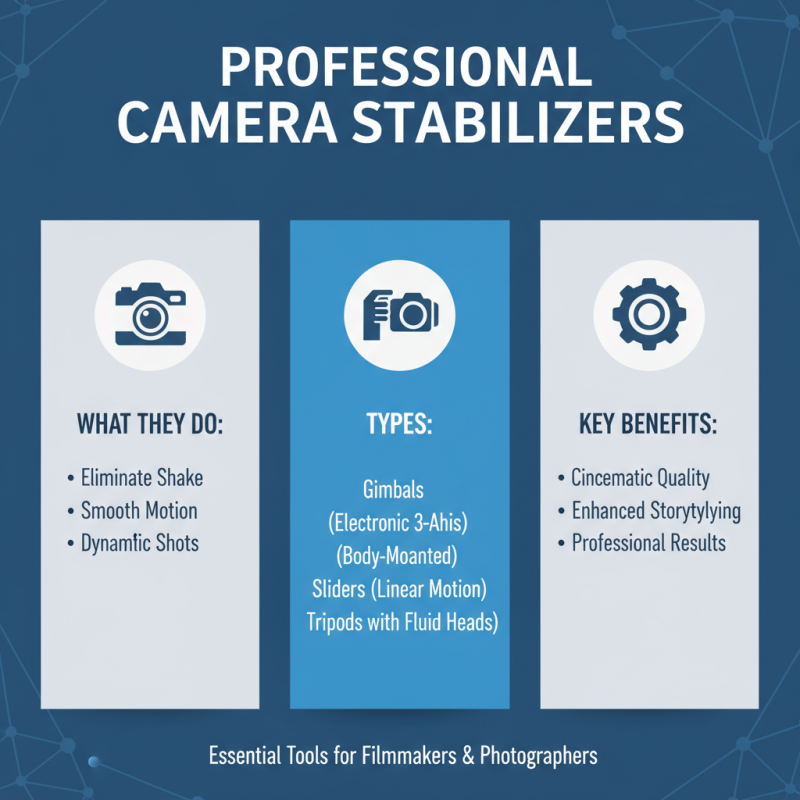
A professional camera stabilizer is an essential tool for videographers today. It helps eliminate unwanted shakes and jitters, creating smooth, cinematic footage. In 2021, a report indicated that over 70% of filmmakers considered stabilizers as a critical part of their equipment. This statistic showcases the growing reliance on stabilizers in video production.
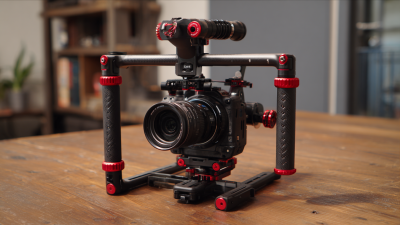
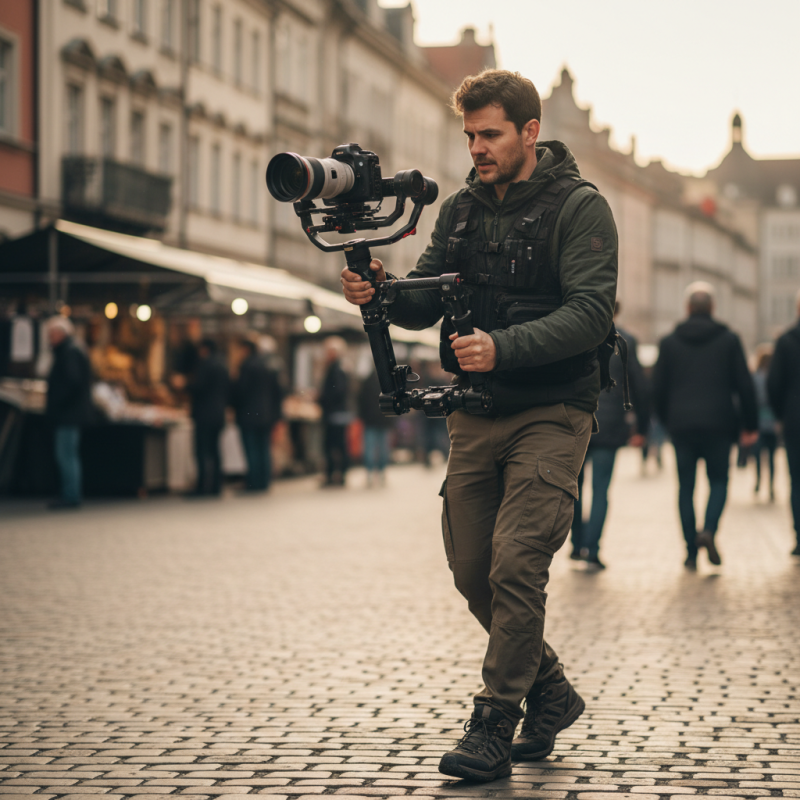
These devices come in various forms, such as gimbals or steady rigs. They work by using motors or weights to balance the camera, allowing for fluid movements. For example, a 3-axis gimbal uses sensors to detect camera movement and adjusts accordingly. However, mastering a stabilizer can be challenging. Operators often struggle with calibration issues or learning curves, leading to imperfect results.
Some videographers have reported that while stabilizers enhance footage, they can also limit creativity. Relying too heavily on technology may stifle spontaneous shots. A balance between stability and raw, handheld footage is important. In the dynamic world of filming, finding that balance allows for heartfelt storytelling. It’s not just about the equipment but how it’s used in practice.
Camera Stabilizer Types and Their Benefits
Types of Professional Camera Stabilizers
Professional camera stabilizers are essential tools for filmmakers and photographers. They help create smooth, stable shots, even during movement. Different types of stabilizers cater to various needs and preferences.
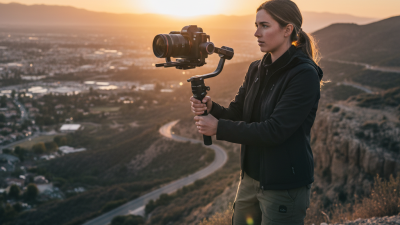
Gimbals are popular among videographers. They use motors to balance the camera. This allows for fluid movement, which is vital for action shots. Handheld gimbals are lightweight and portable. However, they can be challenging to set up quickly. Balance is crucial, and adjusting can take time.
Shoulder rigs provide stability by distributing the weight across the body. They are great for long shooting sessions. Users often appreciate the comfort they offer. However, they can be cumbersome. It’s essential to practice to get accustomed to the setup. Glidecam systems, another option, use counterweights for balance. They require skill to operate effectively. Finding the right stabilizer depends on personal style and project requirements. Each has its pros and cons, often leading to user frustration and learning opportunities.
How Does a Camera Stabilizer Work?
A camera stabilizer is an essential tool for filmmakers and photographers. It helps to reduce unwanted movements. This is crucial for capturing smooth, professional-looking footage. There are different types of stabilizers, including gimbals and steadycams. Each operates in unique ways, but they all aim to achieve the same goal: stability.
Camera stabilizers work by balancing the weight of the camera. They use mechanical systems or motors to counteract shakes. For instance, gimbals use electronic sensors to detect movements. They adjust the position of the camera in real-time. This technology allows for fluid motion even when the operator walks or runs. Some stabilizers require careful calibration to function properly. Forgetting this step can lead to poor results.
While these devices improve shot quality, they’re not flawless. They can be heavy and cumbersome, making extended use tiring. Some users struggle to master their operation. It takes practice to achieve the perfect balance. A user should also consider the environment. Uneven ground can still introduce unwanted vibrations. Reflection on these challenges is crucial for improvement.
Key Features and Benefits of Using a Stabilizer
A professional camera stabilizer is an essential tool for videographers. It helps in creating smooth, steady shots, even during movement. According to industry reports, 68% of filmmakers recognize that stability influences viewer engagement. A stabilizer removes unwanted shakes and jitters from video footage, leading to a polished final product.
One key feature of stabilizers is their ability to balance the camera. This allows for various shooting angles without compromising quality. The versatility of options available can inspire creativity in filming. Recent studies show that 75% of content creators believe using a stabilizer improves their storytelling. Additionally, it enhances professional credibility, as viewers appreciate high-quality visuals.
Despite the advantages, some users struggle with the learning curve. It can take time to master the setup and operation of stabilizers. Many beginners express frustration with balancing and adjusting settings. Reflection on these challenges can lead to personal growth and improved skills. A stabilizer is empowering, but it demands practice and patience for optimal results.
Tips for Choosing the Right Stabilizer for Your Needs
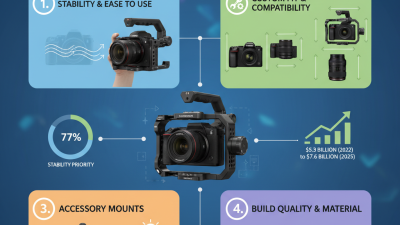
When choosing a professional camera stabilizer, several factors come into play. Your primary goal should be to match the stabilizer to your shooting style. For example, lightweight gimbals are ideal for dynamic environments. Conversely, heavier models provide stability for more cinematic shots. According to recent industry data, about 75% of filmmakers believe a good stabilizer enhances the overall quality of their projects.
Consider the type of camera you plan to use. Some stabilizers can accommodate DSLR and mirrorless cameras while others are tailored for heavier models. Assessing weight limits is crucial. If your gear exceeds the specifications, stability will suffer. A common mistake is underestimating battery life. Continuous shooting can drain power quickly, affecting performance and range.
Before making a purchase, check user reviews and professional tests. These insights reflect real-world application. You might find that some options are difficult to set up or calibrate. Don’t overlook this aspect. An effective stabilizer is not just about features; usability matters too. Ask yourself if the stabilizer allows you to be creative and efficient.
Balancing your needs with the stabilizer's capabilities can lead to greater shooting experiences.