How to Choose the Best Rolling Camera Backpack for Travel and Storage
In the fast-paced world of photography and videography, the need for reliable and convenient equipment storage has never been more critical. A Rolling Camera Backpack serves as an essential tool for travel, providing photographers and filmmakers with a practical solution to transport their gear safely and efficiently. According to a recent survey from the Professional Photographers of America (PPA), over 73% of professionals prioritize mobility and accessibility when selecting camera bags, underlining the industry's shift towards portable storage options that cater to dynamic shooting environments.
As travel continues to increase in popularity, with the Global Business Travel Association reporting that business travel is expected to surpass pre-pandemic levels by 2024, the demand for well-designed Rolling Camera Backpacks is set to rise. These backpacks not only support the protection of valuable camera equipment but also enhance the user experience by allowing for seamless transitions between locations. The importance of choosing the right rolling backpack cannot be overstated, as it impacts both the longevity of the photography gear and the ease with which professionals navigate diverse shooting scenarios.
When selecting a Rolling Camera Backpack, factors such as capacity, organization, comfort, and durability play pivotal roles. Understanding these elements can help potential buyers make informed decisions that ultimately safeguard their investment and streamline their workflows.
Understanding Your Camera Gear Requirements for Travel
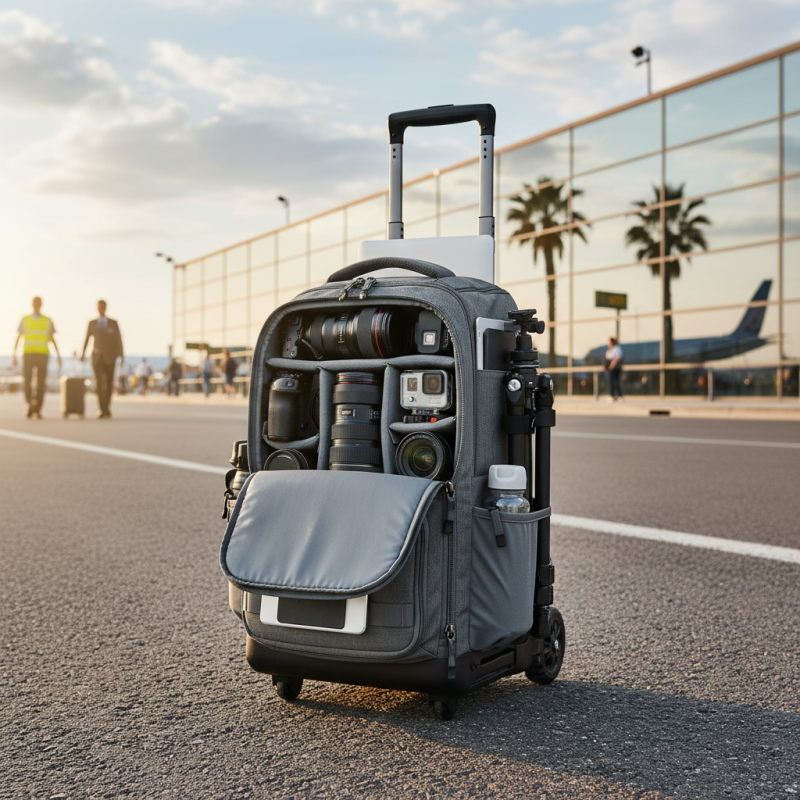
When selecting a rolling camera backpack for travel, it’s essential to first understand your specific camera gear requirements. Consider the type of equipment you’ll be carrying: a DSLR, mirrorless camera, various lenses, a tripod, and additional accessories such as memory cards and batteries. Make a checklist of your gear to ensure that the backpack you choose has adequate compartments and protection to accommodate each item securely. The size and weight of the gear also matter; ultimately, you want a backpack that not only fits your equipment but is also easy to maneuver through busy airports or city streets.
Additionally, think about how you intend to use your camera while traveling. If you're frequently shooting on location, a backpack that allows for quick access to your gear can enhance your shooting experience. Features like side pockets or top openings can be beneficial for rapid retrieval. Lastly, consider the bag's overall design and comfort, especially if you plan to carry it for extended periods. Look for padded straps, a supportive back, and multi-directional wheels that can accommodate your travel style while ensuring that your expensive equipment is well-protected on the go.
Key Features to Look for in a Rolling Camera Backpack
When selecting the best rolling camera backpack for travel and storage, several key features are crucial for both convenience and protection. First and foremost, the size and capacity are essential considerations. A well-designed rolling camera backpack should accommodate a variety of camera gear, including multiple lenses, a DSLR or mirrorless camera, and essential accessories. According to a recent industry report, travelers often prioritize backpacks that can safely fit at least 3-4 lenses alongside their camera body, ensuring versatility during shoots.
Another critical feature is the durability of the materials used in the backpack's construction. High-quality, water-resistant fabrics provide protection against various weather conditions, while reinforced stitching and robust zippers extend the lifespan of the bag. A survey conducted among professional photographers revealed that 68% rely on durable bags to safeguard their equipment during travel, emphasizing the importance of material choice. Additionally, ergonomic design with padded handles and wheels can significantly improve mobility, making it easier to navigate through crowded airports or uneven terrain without straining your back. Ultimately, these features contribute to a seamless travel experience while keeping photography gear secure and accessible.
Evaluating Size and Capacity for Efficient Storage
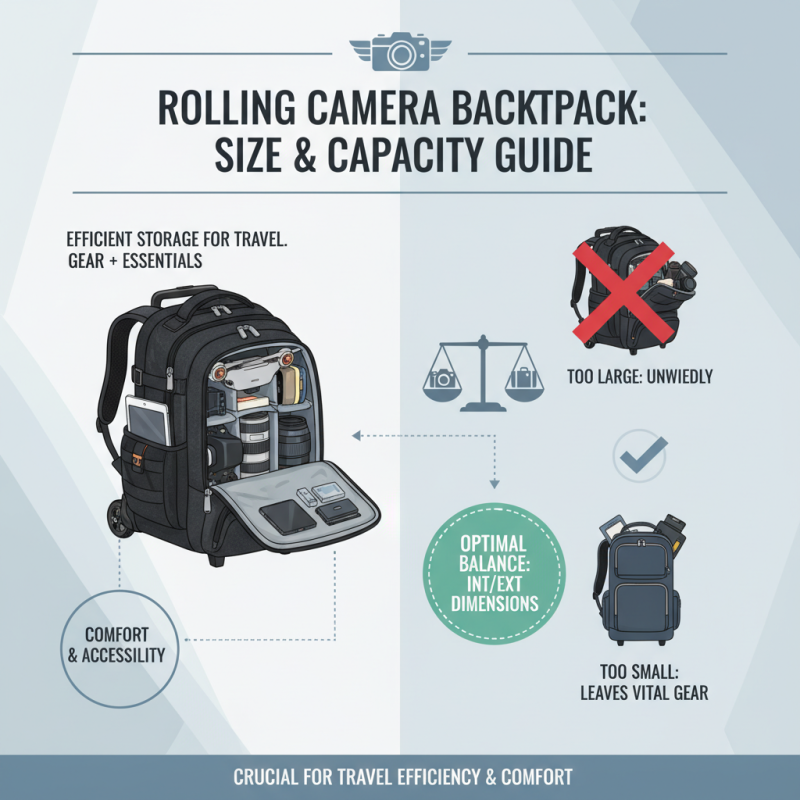
When selecting a rolling camera backpack, evaluating size and capacity is crucial for efficient storage, especially when traveling. A well-designed backpack should accommodate your camera gear while allowing you to carry essential items without sacrificing comfort. Consider the dimensions of both the interior and exterior compartments. A backpack that is too large can become unwieldy, while one that's too small may leave vital equipment behind.
Tips: Measure your camera and accessories before shopping. This allows you to ensure that the backpack’s compartments will fit your gear snugly, preventing unnecessary movement that could lead to damage during transport. Additionally, think about what non-camera items you’ll be carrying. A backpack with multiple pockets and adjustable dividers can help organize both your photography equipment and personal items efficiently.
Another aspect to consider is the weight distribution and how it aligns with your travel plans. A rolling backpack should not only fit your gear but also be easy to maneuver through airports or city streets. A model with a lightweight frame yet durable materials can make a significant difference during long travels. Look for backpacks with robust wheels and handles designed for comfort to enhance your traveling experience.
Comfort and Mobility: Wheels and Straps Analysis
When selecting the best rolling camera backpack for travel and storage, understanding the importance of comfort and mobility is crucial. The design of wheels and straps directly impacts your overall experience while navigating through busy airports, crowded streets, or uneven terrain. High-quality wheels provide smoother maneuverability, allowing you to glide effortlessly over various surfaces. Look for backpacks with robust, multi-directional wheels that can handle both paved and rough paths, making your journey more comfortable.
Equally important are the straps of the backpack, which should offer versatility and ample support. Well-padded shoulder straps can help distribute the weight evenly, reducing strain during long walks. Additionally, consider backpacks that offer additional carrying options, such as a chest strap or a waist belt, which enhance stability. This is particularly advantageous when you're in transit or need to adjust your load while shooting on location. A combination of effective wheels and supportive straps creates a perfect balance of comfort and mobility, ensuring you can focus on capturing the perfect shot rather than dealing with an inconvenient backpack.
Budget Considerations: Finding Value in Quality Backpacks
When selecting a rolling camera backpack, budget considerations play a crucial role in ensuring that you find a balance between quality and cost. The photography equipment market has been forecasted to grow at a compound annual growth rate (CAGR) of 4.5% from 2021 to 2026, indicating rising demand for reliable storage solutions like camera backpacks. According to a recent industry report, consumers prioritize durability and functionality, often linking these traits to their willingness to invest more in their gear. Therefore, while it might be tempting to opt for lower-cost options, investing in a quality backpack can significantly enhance your travel experience by protecting your equipment.
Research shows that a well-constructed camera backpack can average between $150 and $300, with the more expensive models incorporating robust materials, waterproofing, and ergonomic designs. These features not only safeguard your valuable gear but can also improve comfort during extended travel. By taking into account user reviews and professional recommendations, it becomes evident that the additional upfront investment in high-quality backpacks tends to lead to longer-lasting products and better protection for your equipment in the long run. This approach ultimately mitigates the risk of costly repairs or replacements, highlighting that a higher initial expenditure may translate into greater value over time.