China Top Rolling Camera Luggage Manufacturers Guide

China’s Rolling Camera Luggage sector is gaining attention as photographers demand safer mobility without sacrificing speed. Industry reports show why. Grand View Research estimates the global luggage market reached approximately USD 36 billion in 2023. It also forecasts continued growth through 2030. However, most reports combine travel cases, business luggage, and camera bags. Precise Rolling Camera Luggage figures remain limited. That gap deserves caution.

Professional buyers usually inspect more than appearance. They check wheel smoothness, telescopic-handle stability, shell impact resistance, and interior padding. A loaded case should roll quietly across airport tiles. Its dividers should hold lenses firmly, even when the case changes direction. Waterproof zippers and reinforced corners also matter during outdoor assignments. Small design failures become expensive problems.

Photographer and camera-bag specialist Peter Krogh has emphasized a practical principle: “The bag is part of the photographic system.” That observation remains useful when comparing Chinese manufacturers. A reliable supplier should explain materials, testing methods, warranty coverage, and replacement-part availability. Product photographs alone prove very little.

This guide examines leading China-based manufacturers through those practical standards. It considers production experience, customization capability, export communication, and quality consistency. Some factories appear impressive online but provide limited testing evidence. That is an uncomfortable weakness. Buyers should ask harder questions.

The strongest manufacturers combine protective engineering with manageable weight. They also understand different working environments, from crowded railway platforms to dusty outdoor locations. No single model suits every photographer. A case optimized for studio equipment may feel excessive on a short assignment. Careful comparison remains essential.
China Top Rolling Camera Luggage Manufacturers Guide

Definition and Key Features of Rolling Camera Luggage

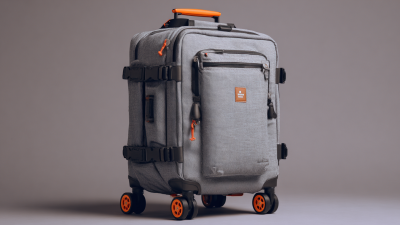
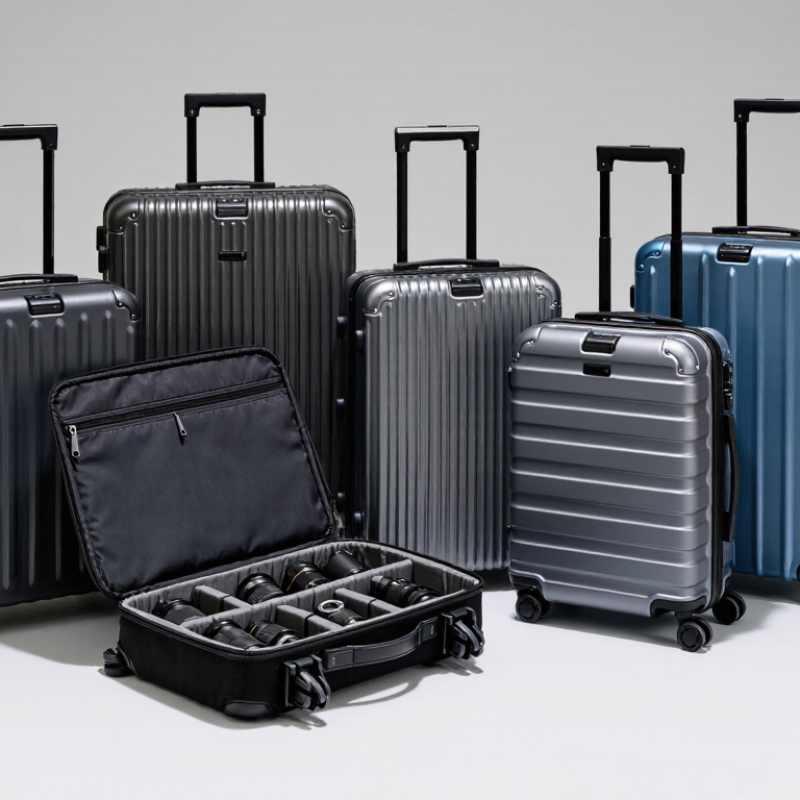
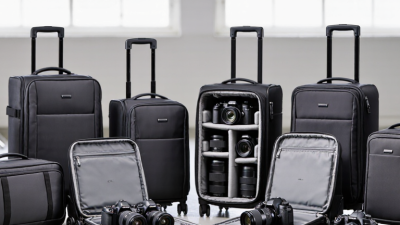
Rolling camera luggage is a wheeled protective case designed to carry cameras, lenses, batteries, and small production accessories. It combines the mobility of travel luggage with the structure of professional equipment protection. A rigid outer shell helps resist impact, while padded dividers keep each item separated. The best internal layout supports quick access, not just maximum capacity.

Key features include smooth wheels, a stable telescopic handle, reinforced corners, and water-resistant seals. Adjustable dividers should hold a camera body firmly without pressing against delicate controls. Foam padding also needs the right density. Soft foam may feel comfortable, but it can compress under heavy equipment. During practical packing, I check whether the case remains balanced when one lens is removed. Poor balance becomes tiring on long corridors. No case is perfect.

Tips: Place heavier equipment near the wheels for better stability. Leave a small gap around camera bodies and lenses. Use clear labels inside each compartment. Test the handle before a full trip. A useful case should roll quietly across tile, carpet, and uneven pavement. It should also fit common transport size limits, though measurements can vary between carriers. Retesting the layout after several trips is worthwhile because dividers loosen, padding shifts, and real equipment needs often change.
Leading Manufacturing Regions and Industry Capabilities in China

China’s rolling camera luggage manufacturing base is concentrated across several strong regional clusters. Guangdong, especially Shenzhen and Dongguan, combines injection molding, electronics integration, precision hardware, and export logistics. Zhejiang, including Pinghu and nearby production towns, is known for luggage assembly, shell forming, wheels, handles, and textile interiors. Jiangsu and Fujian also support components, metal processing, and contract manufacturing.

UN Comtrade data for 2023 places China among the world’s leading exporters under HS 4202, with annual travel-goods exports valued at roughly US$30 billion. This scale supports competitive sourcing, but it does not guarantee consistent quality. Buyers should inspect wheel endurance, handle fatigue, zipper strength, shell impact resistance, and camera-compartment protection. Small details matter.

The World Bank’s 2023 Logistics Performance Index gave China a score of 3.7 out of 5, ranking it 19th globally. This reflects dependable transport infrastructure and broad supplier access. In practical factory visits, Guangdong often offers faster engineering changes, while Zhejiang may provide deeper luggage-specific assembly experience. That distinction matters. Yet regional labels can mislead. Some factories outsource shells, wheels, or lining, weakening traceability. Reliable evaluation should include production records, material declarations, sample testing, and process audits. The ideal supplier is not always the largest. Sometimes, a smaller factory communicates problems earlier.

China Top Rolling Camera Luggage Manufacturers Guide: Leading Manufacturing Regions and Industry Capabilities

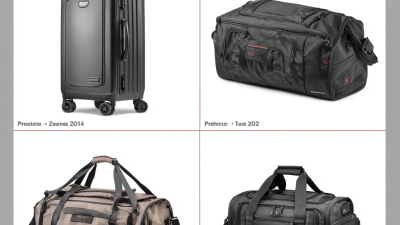
Guangdong and Zhejiang are strong choices for rolling camera luggage sourcing because they combine mature luggage production with hardware, plastics, wheels, telescopic-handle, and export supply chains. Hebei is widely recognized for large-scale luggage production, while Fujian and Jiangsu offer complementary capabilities in bags, molded components, and general manufacturing. The scores are comparative industry benchmarks rather than official regional statistics.

How to Evaluate Chinese Rolling Camera Luggage Manufacturers

Evaluating Chinese rolling camera luggage manufacturers requires more than comparing online prices. I start by checking factory experience with protective travel cases, telescopic handles, wheels, and camera-divider systems. Ask for production photos, material specifications, and recent quality records. A serious supplier should explain shell thickness, wheel load testing, zipper durability, and foam recovery without vague promises. Request a physical sample before discussing large volumes.

During sample review, place a loaded case on uneven flooring. Check wheel noise, handle wobble, corner protection, and divider stitching. Open the case repeatedly. Small failures often appear there. Measure internal dimensions against real camera bodies, lenses, batteries, and chargers. Verify water-resistance claims through documented test methods, not marketing language. I once focused too heavily on exterior appearance and missed a weak divider attachment. That mistake changed my inspection checklist.

Reliable manufacturers provide clear quotations, realistic lead times, packaging details, and written defect-handling procedures. Confirm whether the factory controls cutting, sewing, assembly, and final inspection internally or outsources them. Review sample approval rules and production checkpoints. Ask for independent test reports when available, and confirm applicable shipping and product requirements for your target market. Communication matters too. A supplier that records revisions carefully is safer than one that agrees instantly. Leave room for improvement; the first sample is rarely perfect.

China Top Rolling Camera Luggage Manufacturers Guide - How to Evaluate Chinese Rolling Camera Luggage Manufacturers

Evaluation Dimension What to Verify Relevant Standard or Test Method Practical Evidence to Request Suggested Weight
Manufacturing Quality System Whether production, inspection, corrective action, document control, and supplier management are managed through a repeatable quality system. ISO 9001
Quality management system certification should be checked for scope, validity, and issuing body.
Current certificate, certificate scope, recent surveillance record, quality manual contents, internal-audit schedule, and corrective-action examples with sensitive information removed. 15%
Product Construction Shell or fabric structure, frame strength, stitching, edge protection, corner reinforcement, divider attachment, and component compatibility. Material-specific testing may include ISO 527 for tensile properties of plastics and ISO 178 for flexural properties. Material declarations, construction drawings, bill of materials, cross-section photos, prototype samples, and test results identifying the exact material grade. 12%
Wheel and Rolling Durability Wheel wear, axle retention, noise, vibration, rolling stability, and performance on smooth and uneven surfaces. No single universal standard covers every camera case design; use a documented buyer-specific rolling-cycle and obstacle test. Written test protocol, cycle count, loaded test weight, surface description, wheel replacement rate, failure photos, and sample testing video with date and identification. 15%
Telescopic Handle Reliability Locking performance, tube deformation, grip attachment, release-button durability, side-load resistance, and alignment after repeated use. Use a supplier-defined repeated-extension test plus static load and lateral-load tests designed for the finished product. Handle-cycle records, maximum rated load, jig description, failure criteria, production inspection checklist, and retained samples from mass production. 10%
Protection for Camera Equipment Impact absorption, divider stability, lens clearance, interior compression, vibration protection, and protection against accidental drops. ASTM D4169 and ISTA 3A can support distribution and parcel-delivery testing when the packaged product is tested in its intended configuration. Complete test report showing package dimensions, total weight, conditioning, drop sequence, vibration profile, inspection criteria, and post-test photographs. 15%
Water and Dust Resistance Whether the claimed protection applies to the whole luggage product, selected compartments, zippers, seams, and external openings. IEC 60529 defines IP-code test methods for enclosures; an IP claim should identify the tested configuration and rating. Independent or witnessed test report, IP rating scope, water-pressure or spray conditions, duration, seam construction, and clear limitations in the user instructions. 8%
Dimensional and Capacity Control External dimensions, usable interior volume, empty weight, handle clearance, wheel projection, and consistency between samples and production units. Use calibrated measurement tools and a documented incoming, in-process, and final inspection plan. Sampling can be organized under ISO 2859-1. Approved drawings with tolerances, inspection records, calibrated-equipment certificates, carton measurements, and pre-shipment inspection results. 8%
Materials and Regulatory Compliance Restricted substances in plastics, coatings, adhesives, textiles, metal parts, batteries, and electronic accessories, where applicable. Depending on the destination market, review EU REACH, EU RoHS for applicable electrical parts, and U.S. CPSIA requirements where relevant. Third-party laboratory reports, material composition declarations, supplier compliance statements, production traceability, and test reports matching the current product revision. 8%
Production Capacity and Lead Time Available production lines, monthly capacity, peak-season planning, bottleneck processes, minimum order quantity, and ability to support repeat orders. Capacity figures should be verified through production records rather than relying only on stated annual output. Line layout, anonymized production schedules, recent order-loading records, staffing plan, machine list, capacity calculation, and confirmed sample-to-production timeline. 5%
Inspection and Traceability Incoming-material inspection, first-piece approval, in-process checks, final inspection, defect classification, and lot traceability. ISO 2859-1 may be used as a sampling framework; acceptance criteria must be agreed in the purchase specification. Inspection standards, defect catalog, batch codes, inspection reports, nonconformance records, corrective-action reports, and retained-sample policy. 7%
Packaging and Shipping Protection Protection from compression, abrasion, moisture, carton damage, and movement during container or parcel transportation. ASTM D4169 or ISTA 3A may be selected according to the shipping channel and package configuration. Packaging specification, carton compression data, pallet pattern, drop-test results, moisture-control method, loading photos, and package-change approval process. 3%
After-Sales and Spare Parts Availability of wheels, axles, handles, locks, dividers, fasteners, and replacement instructions throughout the expected product-support period. Evaluate the supplier’s documented warranty, claim handling, spare-parts process, and response-time commitments. Warranty terms, spare-parts list, replacement procedures, service-level commitments, complaint-response examples, and root-cause analysis samples. 4%

Evaluation note: The suggested weights are a practical purchasing framework, not a certification result. Standards should be selected according to the destination market, product construction, packaging format, and intended shipping channel.

Manufacturing Standards, Materials, and Quality Control

China’s rolling luggage factories should be judged by process, not appearance alone. The 2024 Grand View Research luggage market report estimates continued global growth, increasing pressure on suppliers to prove durability and consistency. ISO 9001-based production systems help control drawings, supplier changes, inspection records, and corrective actions. They do not guarantee a perfect suitcase.

Material selection affects every journey. Polycarbonate shells usually balance impact resistance and weight, while ABS can reduce cost but may crack more easily in cold conditions. Polyester and nylon fabrics need seam-strength, abrasion, and colorfastness testing. Wheels should resist repeated rolling, side impacts, and uneven floors. Small details matter.

Quality control must be measurable. An accredited laboratory following ISO/IEC 17025 principles can verify test accuracy. Factory checks may include shell-drop testing, telescopic-handle fatigue cycles, zipper operation, wheel alignment, and loaded-cart trials. Intertek’s luggage testing guidance also emphasizes performance testing across components, not only the outer shell. AQL sampling can detect production variation, but it can miss rare failures. That weakness deserves review. A stronger program combines incoming material checks, in-line inspections, and pre-shipment testing. Photos alone are not evidence. Real test records are.

Ordering, Customization, and Supplier Selection Considerations

China Top Rolling Camera Luggage Manufacturers Guide

Ordering rolling camera luggage from China requires more than comparing unit prices. Define the camera body, lenses, batteries, and accessories before requesting quotations. Measure each item carefully. A few millimeters can affect the divider layout. Ask suppliers about shell materials, wheel construction, handle strength, zipper quality, and interior padding. Request samples before placing a larger order. Photos are useful, but physical inspection reveals weak stitching and poor balance.

Customization should support real field use. Specify foam density, removable dividers, waterproof fabric, locking points, logo placement, color, and carton requirements. Share drawings or reference samples with clear measurements. Confirm the minimum order quantity, sample charge, tooling cost, production time, and inspection process in writing. Do not assume every supplier understands “professional quality.” That phrase is too vague. I have found that a simple checklist prevents costly misunderstandings, though it can still miss practical details.

Tips: Test a fully loaded case on stairs, uneven sidewalks, and tight corners. Check whether the handle remains stable under weight. Ask for material certificates and factory quality records when available. Compare several suppliers using the same questions. Review their communication speed, sample accuracy, and willingness to correct defects. A low quotation may hide thinner foam, weaker wheels, or inconsistent assembly. Leave time for a second sample. Rushing this step is an avoidable mistake.