What Is the Best Camera Stabilizer Slider from China?

Choosing the Best Camera Stabilizer Slider from China requires more than comparing prices and payload ratings. Chinese manufacturers now serve filmmakers, studios, livestreamers, and commercial production teams worldwide. Their product range includes compact manual sliders, motorized systems, carbon-fiber rails, and programmable motion platforms.

The opportunity is significant. Grand View Research reports continuing growth in the global camera accessories market, driven partly by online video production and independent filmmaking. Meanwhile, the CIPA Camera and Imaging Products Shipment Statistics show renewed demand for interchangeable-lens cameras in recent reporting years. More cameras create more demand for controlled movement. Still, market growth does not guarantee quality. A low-cost slider may hide rough bearings, weak locking knobs, or unreliable motors. Small details matter. Feel the carriage.

Filmmaker and camera-movement educator Philip Bloom has expressed a useful principle: “Movement should serve the story, not call attention to itself.” That idea should guide every Camera Stabilizer Slider evaluation. Check carriage smoothness at slow speed. Test the rail under the advertised camera load. Listen for motor noise near a microphone. Examine replacement parts, warranty terms, software support, and delivery reliability from China. These practical checks often reveal more than polished product photos.

There is no flawless shortlist. I may personally overvalue quiet operation and underestimate setup time. Some creators may prefer speed over cinematic softness. The best choice depends on camera weight, shooting location, crew experience, and motion style. A strong Chinese slider should provide repeatable movement, precise control, and honest specifications. Cost matters, but dependable motion matters more.
What Is the Best Camera Stabilizer Slider from China?

What Is a Camera Stabilizer Slider and How Does It Work?

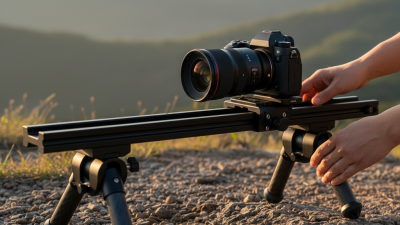
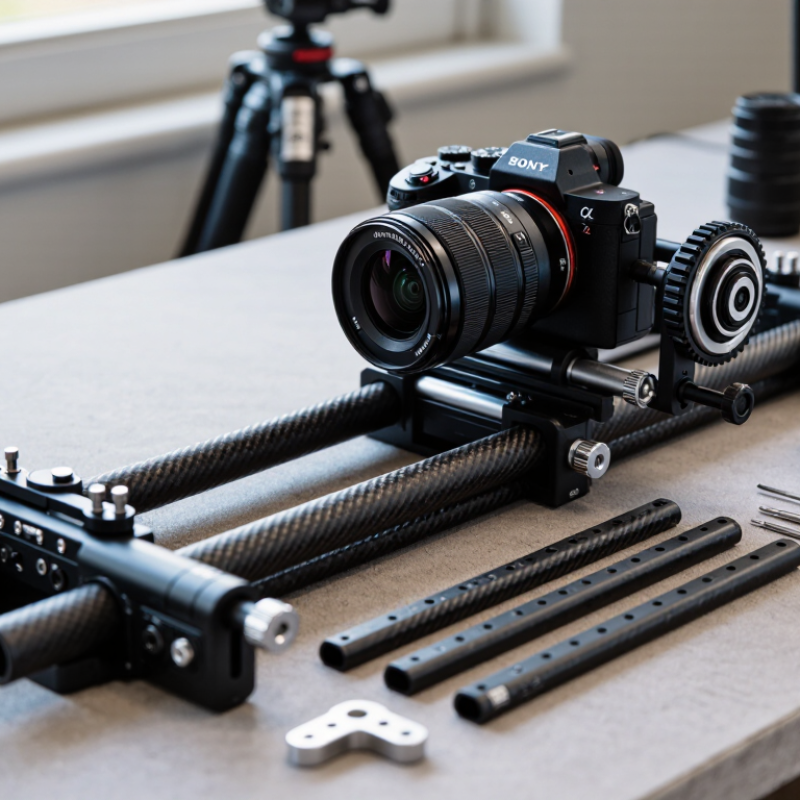
A camera stabilizer slider is a rail-based support that moves a camera smoothly from one position to another. It creates controlled horizontal motion for interviews, product shots, and cinematic reveals. Unlike handheld movement, the camera travels along a defined path. This reduces unwanted shaking and makes repeated takes easier.

Most sliders use a carriage, bearings, and a mounting plate. The camera attaches to the plate, while the carriage moves across the rail. Manual models depend on hand pressure and friction control. Motorized models use a small drive system for programmable speed and timing. A stable setup begins with balanced tripod legs and a level rail. If the camera sits too high, even a strong slider may wobble. I have learned that payload ratings should not be treated as exact promises. Lens length, camera position, and movement speed can change the result.

Tips: Check the rail for dust before filming. Keep the camera centered. Test movement without recording. Use slow speed for close subjects. Tighten every lock, but avoid forcing it. When comparing options from China, inspect bearing smoothness, load information, replacement parts, and user-tested footage. Product descriptions can sound impressive, yet real movement may feel uneven. That difference matters. A short test can reveal more than polished specifications.
Key Features to Compare in Chinese Camera Stabilizer Sliders

Choosing the best camera stabilizer slider from China requires more than checking price or appearance. In practical shoots, rail smoothness affects every slow movement. A slider should maintain steady travel without sudden resistance. Check its maximum payload, especially with a cinema camera, lens, monitor, and follow-focus system attached. Aluminum construction keeps the unit portable, while reinforced bearings improve stability during longer moves.

Movement control is another key feature to compare. Manual sliders suit simple interviews and product scenes. Motorized models offer repeatable speed, time-lapse control, and programmable movement. However, motors can create noise in quiet rooms. Test the unit beside a microphone before filming. Also inspect mounting threads, locking mechanisms, feet, and leveling options. These small details often decide whether setup feels professional. Compatibility with tripods and common camera plates saves time on location.

Tips: Test the slider with your full camera setup, not an empty carriage. Measure movement noise in a quiet space. Ask for load-test information and replacement-part support. Review real user footage when possible. Some advertised travel distances seem impressive, but usable motion may be shorter. I have found that a slightly shorter slider can perform better when its carriage feels rigid. Still, no single design fits every production, so compare portability, control, and reliability against your actual shooting habits.

What Is the Best Camera Stabilizer Slider from China? - Key Features to Compare in Chinese Camera Stabilizer Sliders

A practical comparison of common Chinese camera slider categories based on typical specifications available in the market.

Slider Category Typical Track Length Typical Payload Drive and Motion Portability Best Use Key Advantages Points to Check Before Buying
Manual Carbon-Fiber Slider 40–100 cm Approximately 3–15 kg, depending on rail construction and carriage design Manual movement with belt, wheel, or friction control Interviews, product videos, travel filmmaking, and quick setup shots Low power requirements, simple operation, quiet movement, and easy transport Check carriage smoothness, rail stiffness, locking brakes, mounting points, and the stated payload at different angles
Manual Aluminum Slider 60–150 cm Approximately 5–20 kg, depending on rail profile and support structure Manual movement, commonly using a wheel or belt-assisted carriage Moderately portable; heavier than carbon-fiber designs Studio work, heavier camera rigs, and general-purpose filming Good rigidity, broad size selection, and usually strong value for money Check rail deflection, carriage bearings, surface finish, leveling feet, and whether a center support is needed for long tracks
Motorized Belt-Drive Slider 60–150 cm Approximately 3–15 kg, depending on motor torque and carriage design Motor-driven belt system with adjustable speed and direction Moderately portable; requires a motor, controller, and battery or power adapter Repeatable product shots, time-lapse, interviews, and programmed camera moves Consistent motion, programmable travel, and repeatable start-and-stop positions Check minimum speed, maximum speed, motor noise, belt tension, control interface, battery runtime, and emergency stop behavior
Motorized Lead-Screw Slider 40–120 cm Approximately 3–12 kg, depending on screw diameter and motor system Motor-driven lead screw for controlled linear movement Moderately portable; often heavier than belt-driven models Slow cinematic moves, macro work, motion control, and precision time-lapse Accurate low-speed movement, strong holding force, and good repeatability Check operating speed range, backlash, screw protection, operating noise, maintenance needs, and controller compatibility
Compact Tabletop Slider 20–60 cm Approximately 1–8 kg Manual or motorized movement over a short travel distance Desk-based product photography, food videos, macro shots, and social media content Fast setup, small footprint, and convenient use on tables or compact tripods Check usable travel length, tripod stability, carriage clearance, camera plate size, and vibration on lightweight surfaces
Long-Track Heavy-Duty Slider 120–200 cm or more Approximately 10–30 kg when properly supported Manual, belt-driven, or lead-screw motorized movement Low portability; typically requires multiple supports and a carrying case Large cinema cameras, studio production, and long lateral tracking shots Long travel distance, strong load capacity, and more dramatic camera movement Check the number and spacing of support points, total assembled weight, rail deflection, carriage locking, and transport dimensions
Vertical-Capable Slider 40–120 cm Approximately 3–12 kg horizontally; vertical capacity may be lower Motorized belt or lead-screw drive with vertical mounting capability Moderately portable; needs secure mounting and careful balancing Vertical reveals, product lifts, controlled camera rises, and creative motion effects Supports camera movement on an inclined or vertical axis when correctly configured Check the manufacturer's vertical payload rating, brake or anti-backdrive system, mounting security, motor heat, and power-loss protection
Pan-and-Tilt Motion-Control Slider 40–120 cm Approximately 2–10 kg on the slider, with lower practical limits when the pan-and-tilt head is installed Linear travel combined with electronically controlled pan and tilt Less portable because of additional motors and control equipment Automated interviews, product demonstrations, motion-control scenes, and time-lapse sequences Coordinates multiple axes for more complex and repeatable camera paths Check total system payload, axis speed, app or wired control, keyframe functions, calibration, power consumption, and software stability

Specifications are typical market ranges rather than guarantees for every model. Actual payload, speed, noise, repeatability, and stability depend on the rail material, carriage construction, motor system, support spacing, camera center of gravity, and mounting method.

Best Chinese Camera Stabilizer Slider Types for Different Uses

The best camera stabilizer slider from China depends on the shooting task, camera weight, and movement required.

Chinese manufacturers offer compact manual sliders, long-rail systems, and motorized models for different production needs. For interviews, tabletop scenes, and product videos, a short manual slider is practical. It fits small spaces and creates smooth side-to-side movement. Keep the setup light.

For cinematic tracking shots, a longer slider provides more travel and stronger visual depth. Choose a rigid rail, sealed bearings, and a carriage that resists side-to-side play. A motorized slider suits time-lapse work, repeatable product shots, and slow studio movements. Check its load rating carefully. A heavy camera can overload a small motor, even when the movement appears smooth at first.

Vertical sliders help with rising or falling camera moves, but they require reliable locking hardware and balanced support. When selecting any Chinese camera slider, inspect the mounting threads, belt tension, motor noise, and speed controls. Ask for measured payload data, not only promotional descriptions.

In my experience, inexpensive models can perform well, but quality control may vary between production batches. I would test the carriage before a paid shoot. One rough bearing can ruin a quiet take. Also, advertised travel may exclude the carriage length, which changes the usable distance.

How to Choose the Right Slider for Your Camera Setup

What Is the Best Camera Stabilizer Slider from China?

Choosing the right slider starts with your complete camera setup, not the slider’s appearance. CIPA recorded about 7.7 million digital cameras shipped worldwide in 2023, showing continued demand for controlled camera movement. However, a lightweight mirrorless camera needs different support from a cinema camera with a cage, monitor, and follow-focus unit.

Check the slider’s real payload rating. Leave safety capacity for accessories. A 5-kilogram setup should not run on a slider rated for exactly 5 kilograms. A 30–60-centimeter travel range suits product shots and interviews. Longer rails help wide scenes but require stronger support. Test the mounting plate, wheel resistance, and locking system before filming. Small vibrations become obvious during slow movement.

Motion control matters too. Manual sliders work well for quick B-roll and quiet locations. Motorized systems offer repeatable moves for food, product, and time-lapse scenes. Wyzowl’s 2024 State of Video Marketing report found that 91% of businesses use video, while 88% of marketers report positive return on investment. That pressure can make repeatable shots valuable. Still, automation is not always better. Motors may add noise, weight, and setup time.

Consider the tripod thread, leveling feet, transport case, and replacement parts. Some specifications look impressive on paper. Real-world stiffness can disappoint. I would test a loaded slider at both ends before trusting it on a paid shoot. A slight compromise may be acceptable for travel, but not for a slow macro move.

What Is the Best Camera Stabilizer Slider from China? How to Choose the Right Slider for Your Camera Setup

The chart compares typical total rig weights with the minimum recommended slider payload. A practical selection rule is to choose a slider rated for approximately 1.5 times the complete camera setup weight, including the camera, lens, battery, monitor, matte box, and other accessories. For heavier cinema setups, prioritize a rigid carriage, smooth bearings, secure locking, and a travel length suitable for the intended shot.

Quality, Price, and Manufacturer Factors to Evaluate Before Buying

When testing a camera stabilizer slider from China, begin with movement quality, not appearance. A useful slider should travel smoothly at slow and fast speeds. Listen for clicking, belt noise, or uneven resistance. Place a camera on it and test both horizontal and angled movement. Small defects become obvious in close-up shots.

Quality depends on more than metal thickness. Check the rail finish, carriage bearings, locking knobs, and motor response. A slider can feel solid yet produce vibration during long movements. Ask for load tests with a real camera setup, not an empty carriage. Review sample videos carefully. They should show consistent motion without sudden speed changes. I have found that attractive product photos can hide weak cable connections or poor wheel alignment. That part deserves skepticism.

Price should include transport, accessories, warranty support, and replacement parts. Very cheap equipment may become expensive after one failed motor. However, higher pricing does not automatically prove better engineering. Compare materials, payload capacity, control options, and testing records. Manufacturer reliability also matters. Request clear specifications, factory images, inspection reports, and response times for technical questions. Ask whether the same parts remain available after purchase. A dependable manufacturer should explain limits honestly, including noise levels and maximum loads. Real support matters. Leave room for doubt, because every specification still needs practical testing before production use.