7 Best Camera Equipment Pouches for Photographers

A Camera Equipment Pouch can make a crowded camera bag feel calmer. It keeps small essentials close, instead of letting batteries, cards, and cables disappear beneath a lens. Small things matter. The right pouch should protect delicate items without wasting space or slowing you down when the light changes.

Photographer and author Chase Jarvis is often quoted as saying, “The best camera is the one that’s with you.” That reminder applies to accessories, too: useful gear is gear you can reach and carry comfortably. A pouch cannot improve a photograph by itself. But a poor fit, flimsy divider, or awkward zipper can interrupt a shoot at exactly the wrong moment.

This guide to the 7 Best Camera Equipment Pouches for Photographers compares practical details that shape everyday use. We look at capacity, padding, pocket layout, closure, materials, and how easily each pouch fits inside a larger bag. We also consider different needs, from a compact setup for street photography to extra organization for a longer assignment. Not every photographer needs the same layout. A roomy pouch may feel reassuring, then become dead weight on a short walk. And product descriptions do not reveal every annoyance; zipper pulls and tight corners can matter more than expected. Use these picks as a starting point, and check dimensions against your own camera and accessories before choosing.
7 Best Camera Equipment Pouches for Photographers

How to Compare Camera Pouches by Fit, Padding, Access, and Carry Style

A camera pouch should hold the camera firmly without pressing against buttons or the lens barrel. Check the fit with your largest everyday setup attached, not just the bare camera body. Leave a little room for a lens cap or thin cloth. Too much empty space lets the camera knock against the walls. Too little makes quick packing frustrating.

Padding needs to protect the corners, where bumps often land, without turning the pouch into a bulky shell. Press the sides and base to compare their firmness. Then check the opening: a wide flap gives a clear view, while a zipper may feel more secure but can catch on a strap. Try reaching inside with one hand. A quick test helps. Also notice whether the lining snags on dials or catches dust. I still find this trade-off awkward; thicker padding can feel reassuring, but it takes up space fast.

Carry style changes how useful a pouch feels during a shoot. Belt loops keep gear close, but may pull at clothing when the pouch is loaded. A shoulder strap offers easier access, though it can swing when you bend. A pouch placed inside a larger bag needs a shape that slides out cleanly. Compare the loaded pouch, not the empty one. A few extra ounces can change your choice, and advertised water resistance is not a substitute for keeping gear dry in heavy rain.
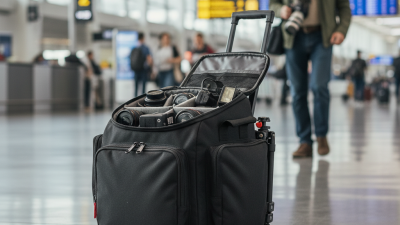
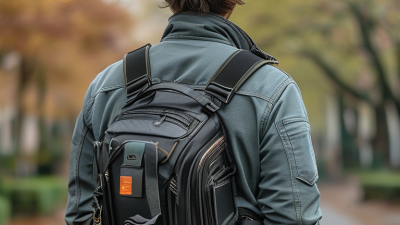
Seven Pouch Roles for Photographers: Camera, Lens, Battery, Filter, and More

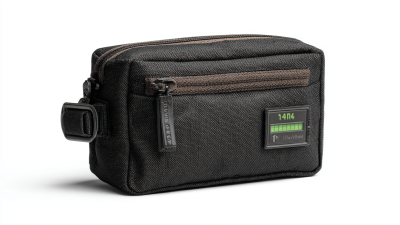
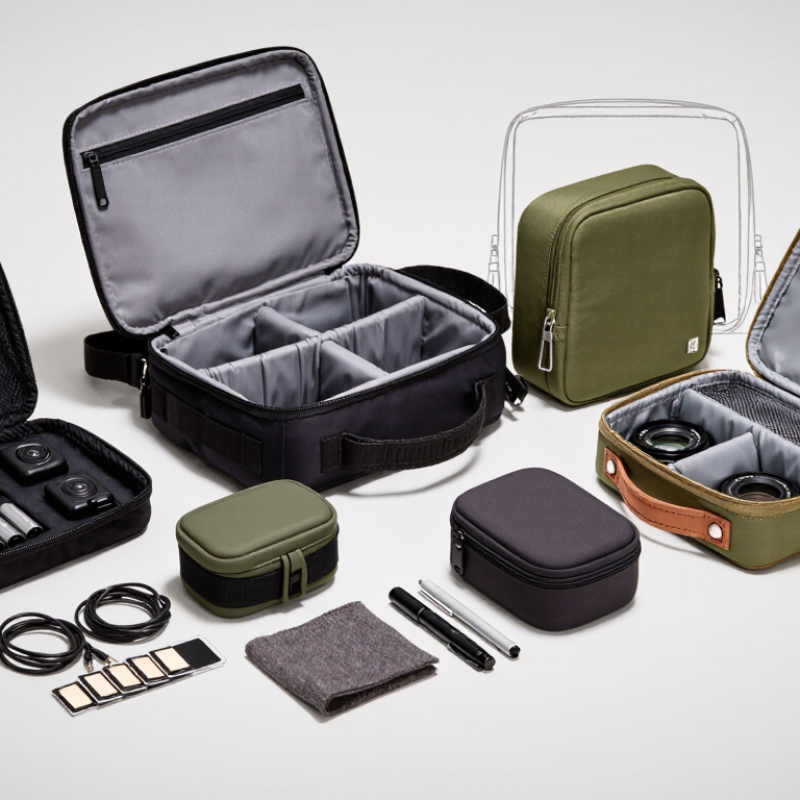
A camera pouch should match a specific task, not just look tidy. For quick access, keep a small camera pouch ready for the body and one lens. A padded lens pouch protects spare glass from knocks inside a larger bag. Battery pouches separate charged cells from used ones; a tiny label helps, though I still forget to update it. Small detail. Filter pouches prevent fingerprints and grit from reaching delicate surfaces. Choose dividers that fit snugly, without forcing filters into tight slots.

The Camera & Imaging Products Association reported about 7.7 million digital cameras shipped worldwide in 2023, roughly 9% more than in 2022. That scale points to a broad, active camera market, but it does not prove every photographer needs more accessories. For field work, a weather-resistant pouch can hold a cloth, memory cards, and a compact cleaning tool. A cable pouch keeps charging leads from tangling around a tripod plate. A document pouch can protect release forms or location notes from rain. Seven roles, with some overlap.

Fit matters more than capacity. Test pouches with your actual camera, lens caps, and gloves; advertised dimensions can mislead. A bulky pouch may slow a lens change, while an unpadded one offers little impact protection. I have also carried empty compartments all day. That was poor planning, not a gear failure.

Reading Water-Protection Claims: IEC 60529 Defines IPX4 Splash Resistance

When comparing camera equipment pouches, an IPX4 claim can sound more reassuring than it is. Under IEC 60529, IPX4 indicates protection against splashing water from any direction during a defined test. It is not an immersion rating, and it does not promise protection from powerful water jets. Not a rain guarantee. This distinction matters when a pouch rests beside a wet jacket or catches spray near a shoreline. The rating describes a test result, not every combination of rain, pressure, wear, and handling.

Check whether the claim applies to the complete pouch, including its closure and seams. A covered zipper may help, but the rating alone cannot tell you how the pouch performs when its opening is left ajar. Look for clear care instructions, and inspect stitching and closures for wear before a damp outing. Tiny gaps matter. If water protection is essential, place camera gear in a sealed inner bag as an extra layer. That may feel overly cautious, and it can slow access, but a rating should guide your choice rather than replace practical judgment.

Understanding IPX7: IEC 60529 Tests Immersion at 1 m for 30 Minutes

When comparing camera equipment pouches, IPX7 has a specific meaning. Under IEC 60529, a tested enclosure is immersed in water at a depth of 1 meter for 30 minutes under defined conditions. This is a controlled test, not a promise that every pouch will stay dry in every situation. The X in IPX7 means dust protection is not specified by that rating.

For photographers, the details matter. A pouch may have an IPX7-rated enclosure, but worn seams, an imperfect closure, or damage can change its performance. Check what part of the pouch was tested, and inspect seals before carrying a camera near water. IPX7 does not describe drop resistance, and it should not be treated as approval for extended underwater use. Salt water, movement, and pressure can create conditions beyond the test. Ratings help, but real use is messier. I would still keep valuable gear inside a second protective layer when a mistake would be costly.

Tips: Close the pouch exactly as instructed, then check for trapped fabric or grit along the seal. After use, dry it fully and look for cracks or stiffened edges. The rating is useful; condition matters too.

7 Best Camera Equipment Pouches for Photographers - Understanding IPX7: IEC 60529 Tests Immersion at 1 m for 30 Minutes
Pouch Style Best Suited For Typical Contents Protection and Access Water-Protection Considerations Practical Trade-Off
Padded Camera Insert Photographers carrying gear inside a general backpack or travel bag One camera body, lenses, batteries, and small accessories, depending on insert size Movable dividers separate equipment; padding helps limit scratches and light knocks Usually offers no immersion protection. A rain cover or water-resistant outer bag may help in rain, but does not establish an IP rating. Flexible and easy to transfer between bags, but protection depends on the outer bag and how securely the insert fits.
Shoulder or Sling Camera Pouch Street, travel, and everyday photography where quick access matters A compact camera setup, such as a camera body with an attached lens and a few accessories Top or side openings can make equipment accessible while on the move; padded walls offer basic impact protection Water resistance varies by fabric, zippers, and flap design. Do not assume the pouch is immersion-safe without a stated test rating. Convenient access, but larger setups can feel heavy on one shoulder.
Belt or Waist Pouch Events, hikes, or assignments where keeping small essentials close is useful Memory cards, batteries, filters, a compact lens, or other small items Organized pockets provide quick access; padding and internal dividers differ by design Fabric may resist light splashes, but seams and closures can allow water in. Check the pouch's stated protection rather than relying on appearance. Keeps essentials within reach, but has limited room for larger equipment.
Lens Pouch Storing or carrying individual lenses inside a larger camera bag One lens sized to fit the pouch Cushioned lining helps protect the lens barrel and reduce contact with other gear Some designs include a rain flap, but this alone does not provide a verified immersion rating. Useful for separating lenses, though each pouch adds bulk and may slow lens changes.
Accessory Organizer Pouch Keeping small photography and charging accessories sorted Cables, card cases, batteries, small adapters, and cleaning accessories Multiple pockets or elastic loops help prevent small items from shifting around Water protection depends on the material and closure. A conventional zipper is not proof of watertightness. Improves organization, but usually is not designed to cushion a camera or lens against impact.
Rain-Resistant Roll-Top Pouch Outdoor use when protection from rain and splashes is a priority Small accessories or equipment that fits within the pouch's capacity A roll-top closure can reduce direct exposure to rain when closed as instructed Rain resistance is not the same as IPX7 immersion protection. Check whether the complete pouch, including its closure, has been tested to the claimed rating. Helpful in wet weather, but rolling and securing the closure takes time and does not guarantee protection if used incorrectly.
Immersion-Rated Dry Pouch Situations where temporary accidental immersion is a relevant risk Equipment that fits within the pouch and stays within its specified use limits Sealed closures are intended to limit water entry; inspect the closure and material for damage before use IEC 60529 IPX7 refers to protection against temporary immersion in water at a depth of 1 m for 30 minutes under specified test conditions. Confirm that the exact pouch configuration is rated; IPX7 does not by itself indicate dust protection or suitability for underwater photography. Offers a defined test reference when properly rated, but does not replace careful closure checks or the manufacturer's use instructions.

Matching a Pouch to Camera Dimensions, Weather, and Shooting Workflow

A useful camera pouch fits the gear you actually carry, not an imagined kit. Measure your camera with its largest regularly used lens attached, then check the pouch’s interior dimensions. Allow room for a lens cap and a little padding, but avoid excess space that lets equipment knock together. A snug fit is safer and easier to reach. Small details matter.

Your shooting workflow should shape the opening and layout. A wide flap can make access easier when changing lenses outdoors, while a compact zippered pouch may suit a camera kept inside a larger bag. If you carry spare batteries or memory cards, look for separate pockets so they do not rub against the camera. I’ve found that too many compartments can slow things down, though; test the layout with your usual kit.

Weather protection depends on more than a water-resistant fabric label. Check whether seams, zippers, and closures help shield the opening, and consider a separate rain cover for longer shoots in wet conditions.

Tips: Pack the pouch, close it, and try removing your camera one-handed. Check the fit while wearing the gloves or jacket you use on location. A pouch that feels perfect indoors may be awkward in the field.